
Sports Injury Treatment in Vadodara

Understanding Sports Injuries and Their Impact on Movement

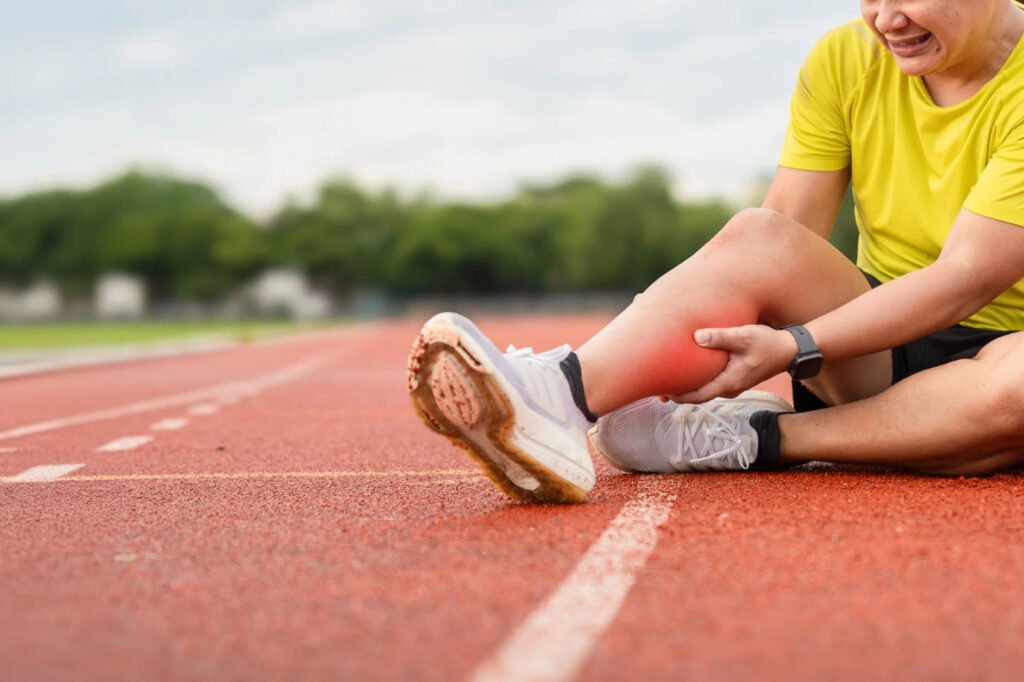
Sports injuries can affect muscles, ligaments, tendons, cartilage, and bones. They may occur suddenly during a fall, collision, or twisting movement, or develop gradually through repetitive training and overuse. Pain, swelling, weakness, or joint instability can interfere with sports participation as well as routine activities such as walking, lifting, or climbing stairs.

Sports injury treatment in Vadodara focuses on identifying the injured structure, managing symptoms, and restoring strength, stability, and movement. Dr. Shailin Shah evaluates the injury mechanism, severity, and functional demands to determine whether rehabilitation, medication, arthroscopic treatment, or another orthopedic intervention may be appropriate.

Expert Orthopedic Care by Dr. Shailin Shah

FELLOWSHIP IN ARTHROPLASTY (JOINT REPLACEMENT) AND ARTHROSCOPY (KEY HOLE SURGERY)
REVIEWED ON
4.9 RATINGS
REVIEWED ON
4.9 RATINGS

When a Sports Injury Needs Orthopedic Assessment

Some sports injuries improve with appropriate rest, activity modification, and rehabilitation. However, significant pain, persistent swelling, restricted movement, or a feeling that a joint may give way can indicate damage that needs further evaluation.

An assessment helps distinguish minor strains from injuries involving ligaments, tendons, cartilage, or bone. Early identification can also help prevent an injured athlete from placing excessive stress on damaged tissue.

Sudden Pain During Activity

Sharp pain following a twist, awkward landing, collision, or sudden change in direction may indicate a muscle, tendon, ligament, or joint injury.

Swelling and Restricted Movement

Swelling, stiffness, or difficulty bending and straightening a joint after exercise or an injury may require evaluation, particularly when movement remains limited.

Instability or Reduced Performance

A joint that feels unstable, repeated episodes of giving way, or persistent weakness during sports movements may indicate an injury affecting joint support or muscle function.

How Sports Injury Treatment Is Planned

1

INJURY ASSESSMENT

Reviewing how the injury occurred, symptoms, strength & joint stability

2

EVALUATION

Using physical examination, X-rays, ultrasound, or MRI to assess the injured structures.

3

TREATMENT

Selecting appropriate rehabilitation, medication, or surgical intervention

4

RECOVERY PLAN

Progressing through strength, mobility, balance, and functional exercises

Choosing the Right Sports Injury Treatment

The right treatment depends on whether the injury involves soft tissue, a joint structure, or bone. Many injuries can be managed without surgery, while certain tears, fractures, or unstable joints may require an operative approach.

Non-Surgical Management

For selected injuries, treatment may include temporary activity modification, appropriate pain relief, bracing where necessary, and physiotherapy. Rehabilitation helps restore movement and strength while reducing the risk of further strain during recovery.

Arthroscopic Sports Injury Surgery

Arthroscopy may be considered for suitable injuries involving joints such as the knee or shoulder. Through small incisions, the surgeon can assess and treat certain meniscal tears, ligament injuries, and other specific joint problems. The procedure depends on the diagnosis and is not required for every sports injury.

Ligament and Tendon Repair

Significant ligament or tendon injuries may require repair or reconstruction when they cause substantial weakness, persistent instability, or functional limitations. The choice depends on the injury, damage, and the activity requirements.

Fracture and Joint Injury Management

Sports-related fractures and injuries involving joint surfaces may require immobilisation, reduction, or surgical fixation. Treatment aims to restore appropriate alignment and stability while allowing the injured structures to heal.
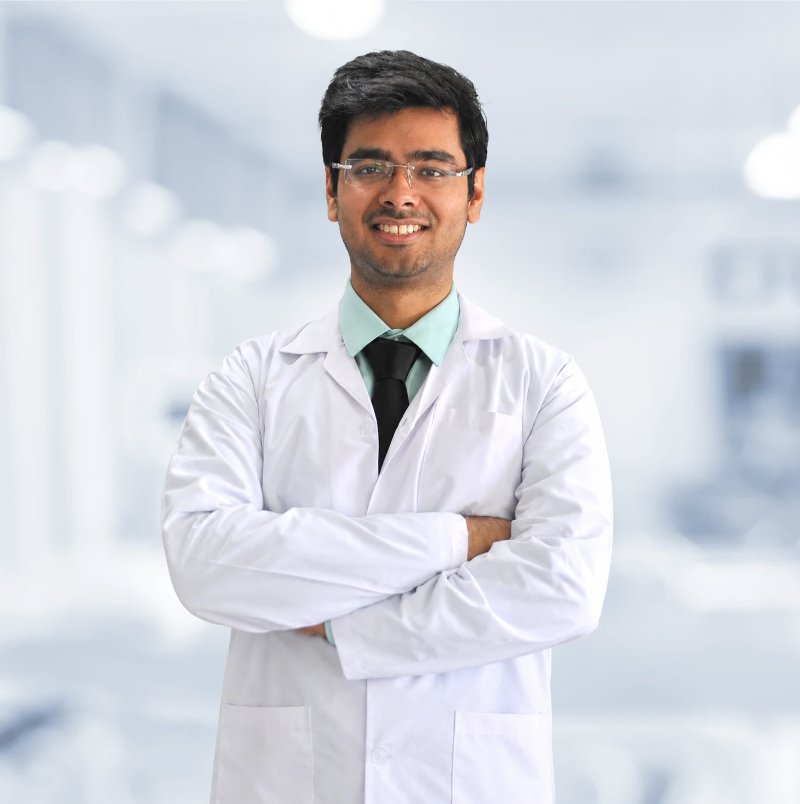
Dr. Shailin Shah
M.S.(ORTHO), DNB (ORTHO), FIJR, FIASM, MNAMS, DIPLOMA IN FIFA

Sports Injury Care with Dr. Shailin Shah

Dr. Shailin Shah provides orthopedic evaluation at Rutvij Hospital, Vadodara, for injuries that affect joint function, movement, and physical activity. His fellowship training in arthroscopy and joint replacement is relevant to evaluating selected sports-related joint injuries and discussing appropriate treatment options.

During consultation, the assessment considers the sport or activity involved, the mechanism of injury, previous injuries, and the movements that have become painful or difficult. Examination and relevant imaging help establish whether the problem involves a ligament, tendon, cartilage, muscle, or bone.

Treatment planning considers the patient’s functional goals and the demands of returning to sport or exercise. When surgery is required, the discussion includes the purpose of the procedure, potential risks, rehabilitation requirements, and the criteria used to assess readiness for physical activity.

Happy Patients

0 +
What to Expect During Recovery

Recovery After Sports Injury Treatment in Vadodara

Recovery depends on the type and severity of the injury and whether treatment involves rehabilitation alone or surgery. Minor strains may improve within weeks, while significant ligament tears, tendon repairs, and fractures may require several months of healing and rehabilitation.

A structured rehabilitation programme may include mobility exercises, progressive strengthening, balance training, and sport-specific movements. Returning too early can increase the risk of reinjury, so progression should be guided by pain, strength, stability, functional testing, and clinical advice rather than time alone.

Frequently Asked Questions

Stop the activity if you experience significant pain, swelling, instability, or difficulty using the injured area. Continuing to play may worsen the injury. Seek prompt assessment if symptoms are severe or movement is substantially restricted.

No. Many injuries can be assessed initially through medical history and physical examination, with X-rays or other imaging used when indicated. MRI may be recommended when further evaluation of ligaments, tendons, cartilage, or other soft tissues is needed.

Many sports injuries improve with appropriate rehabilitation and activity modification. Surgery may be considered for selected fractures, significant tendon tears, or ligament injuries that cause persistent instability or functional limitations.

The timing depends on the injury, its severity, and the recovery achieved. You should generally regain appropriate movement, strength, balance, and sport-specific function before returning to demanding training.

Yes. Reinjury can occur if the original injury has not recovered adequately or if strength, movement control, and sport-specific readiness have not been restored. Appropriate rehabilitation and a gradual return to activity can help reduce this risk.

Progressive training, suitable warm-ups, strength and balance exercises, adequate recovery, and correct technique can help reduce injury risk. Training loads should increase gradually, and persistent pain should not be ignored.

Looking for Sports Injury Treatment in Vadodara?

Consult Dr. Shailin Shah at Rutvij Hospital, Vadodara, to assess your sports injury, understand the available treatment options, and plan the next steps towards restoring movement and returning safely to physical activity.

Scroll to Top