
Shoulder Arthroscopy in Vadodara
Understanding Shoulder Arthroscopy
Shoulder pain, stiffness, recurrent dislocations, and sports-related injuries can affect how comfortably you move your arm. Tasks such as lifting objects, reaching overhead, getting dressed, or participating in sports may become difficult when the structures inside the shoulder joint are damaged.
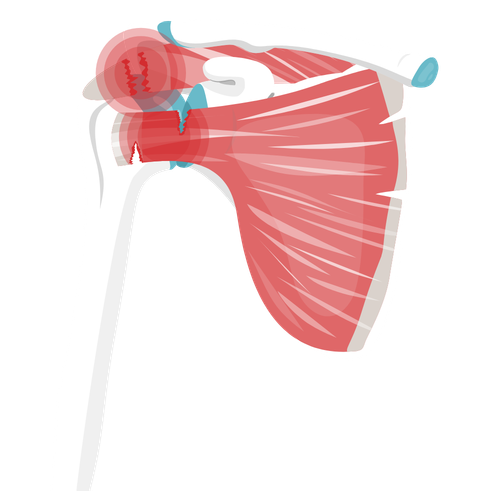
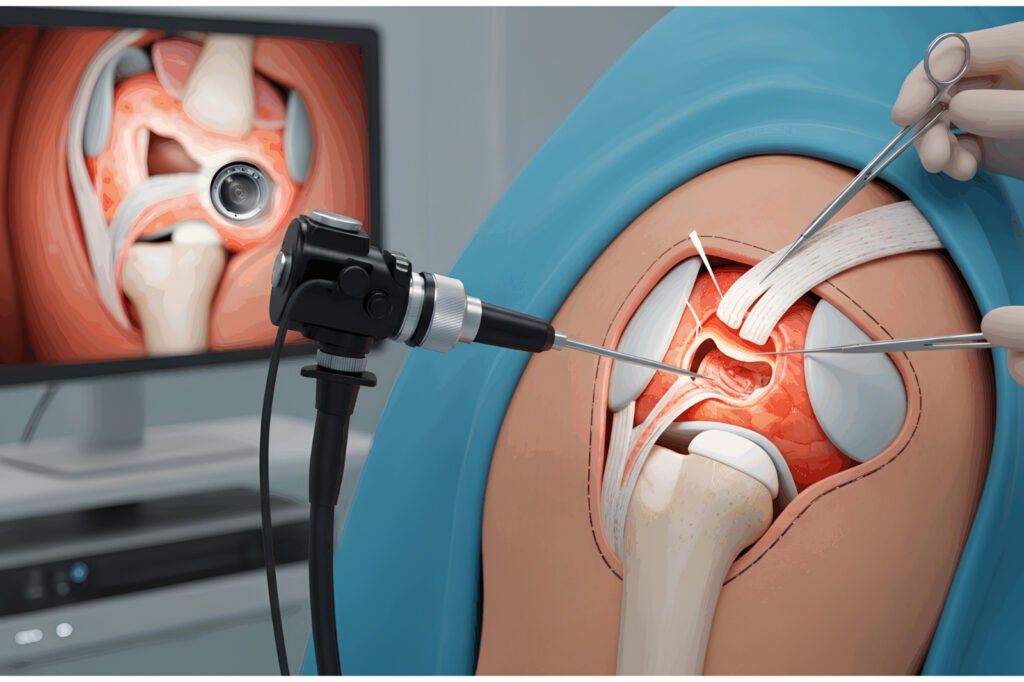
Shoulder arthroscopy in Vadodara is a minimally invasive surgical technique used to examine and treat certain shoulder problems through small incisions. Dr. Shailin Shah evaluates the nature of the injury, the extent of joint damage, and the patient’s activity requirements to determine whether arthroscopic surgery may be appropriate.
Expert Orthopedic Care by Dr. Shailin Shah
When Shoulder Pain May Need Arthroscopic Assessment
Not every shoulder problem requires surgery. However, persistent symptoms, repeated injuries, or limited improvement with non-surgical treatment may indicate the need for a detailed orthopedic evaluation.
An assessment helps identify whether the problem involves the rotator cuff, labrum, ligaments, or other structures within the shoulder. The findings guide decisions about further treatment.

Persistent Pain During Movement
Shoulder pain that continues despite rest, medication, or physiotherapy may be associated with damage to the tendons or other joint structures.

Repeated Shoulder Dislocations
A shoulder that repeatedly slips out of place may have damage to the labrum or supporting ligaments, sometimes requiring surgical stabilisation.

Weakness and Restricted Motion
Difficulty lifting the arm, reduced strength, or stiffness that interferes with everyday activities may warrant further investigation to identify the underlying cause.
How Shoulder Arthroscopy Is Performed
1
PRE ASSESSMENT
Reviewing symptoms, findings, scans & medical history
2
KEYHOLE ACCESS
Making small incisions to introduce the arthroscope
3
TARGETED REPAIR
Treating the identified problem by repairing/ stabilising
4
REHABILITATION PLAN
Providing instructions & rehabilitation plan
Types of Shoulder Arthroscopy Procedures
The choice of arthroscopic procedure depends on the structure involved, the extent of damage, shoulder stability, and the patient’s functional needs. Common procedures include:

Rotator Cuff Repair
When a rotator cuff tendon is torn and repair is indicated, arthroscopic techniques may be used to reattach the tendon to the bone. Rehabilitation helps restore movement and strength progressively.

Shoulder Stabilisation
For recurrent shoulder dislocations associated with damage to the labrum or supporting tissues, arthroscopic stabilisation may help restore joint stability and reduce further episodes.
Labral Repair
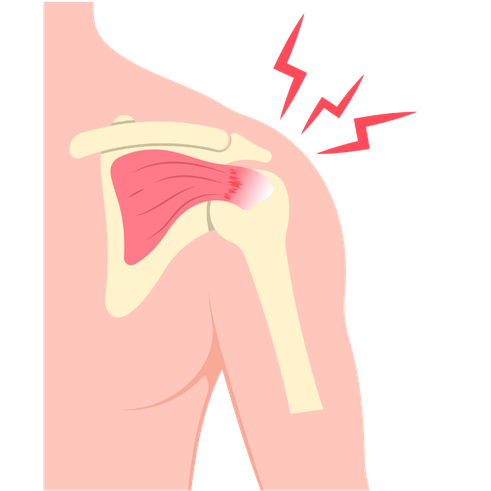
A tear in the labrum, the cartilage-like rim that helps deepen the shoulder socket, may cause pain, instability, or catching. Arthroscopic repair may be considered depending on the tear and symptoms.

Subacromial Decompression
In selected cases, arthroscopy may be used to address specific causes of mechanical irritation around the rotator cuff. The need for this procedure depends on the diagnosis, as it is not suitable for every case of shoulder pain.

Shoulder Arthroscopy Care with Dr. Shailin Shah
Dr. Shailin Shah provides orthopedic evaluation at Rutvij Hospital, Vadodara, for shoulder conditions that affect movement, stability, and everyday function. His fellowship training in arthroscopy supports his clinical focus on keyhole surgical techniques for appropriate joint conditions.
Treatment planning begins with understanding how the shoulder problem developed, which movements are affected, and whether the symptoms suggest tendon damage, labral injury, or instability. Physical examination and imaging findings help determine the next steps.
When surgery is being considered, the consultation includes a discussion of suitable treatment options, the intended goals of the procedure, possible limitations, and the rehabilitation involved. The aim is to help patients make informed decisions based on their diagnosis and functional requirements.
Happy Patients
Recovery After Shoulder Arthroscopy in Vadodara
Recovery after shoulder arthroscopy varies according to the procedure performed and the condition being treated. Some patients may begin gentle movement relatively early, while procedures involving tendon or labral repair often require a period of sling support and more carefully controlled rehabilitation.
Physiotherapy is an important part of recovery, helping restore mobility, strength, and shoulder control at the appropriate pace. Returning to work, driving, lifting, or sports depends on healing progress and the treating clinician’s guidance. Following activity restrictions is particularly important after a repair to protect the healing tissue.
Frequently Asked Questions
Is shoulder arthroscopy considered major surgery?
Shoulder arthroscopy uses small incisions, but its complexity depends on the condition being treated. A tendon repair or stabilisation procedure may require substantial rehabilitation even though the surgical access is minimally invasive.
Will I need to wear a sling after surgery?
A sling may be recommended to support the shoulder and protect healing tissues. The duration depends on the procedure performed, particularly whether a tendon or labrum has been repaired.
Can shoulder arthroscopy treat a dislocated shoulder?
It may help treat recurrent shoulder dislocations when the joint’s supporting structures are damaged. The suitability of arthroscopic stabilisation depends on the extent of tissue damage, bone involvement, and previous dislocations.
Can shoulder arthroscopy prevent future injuries?
Procedures such as shoulder stabilisation may reduce the risk of recurrent dislocation in suitable patients. However, outcomes depend on the injury, healing, rehabilitation, and the demands placed on the shoulder.
When can I return to work after arthroscopy?
The timing depends on your occupation and the type of surgery. Desk-based work may be possible earlier than work involving lifting, overhead activity, or repetitive shoulder movements.
Is physiotherapy necessary after arthroscopy?
Physiotherapy is commonly recommended to restore movement, strength, and coordination. The exercises and their timing are adjusted to the procedure and the stage of healing.

Looking for Shoulder Arthroscopy in Vadodara?
Consult Dr. Shailin Shah at Rutvij Hospital, Vadodara, to discuss your shoulder symptoms, understand the available treatment options, and determine whether arthroscopic surgery may be appropriate for your condition.