
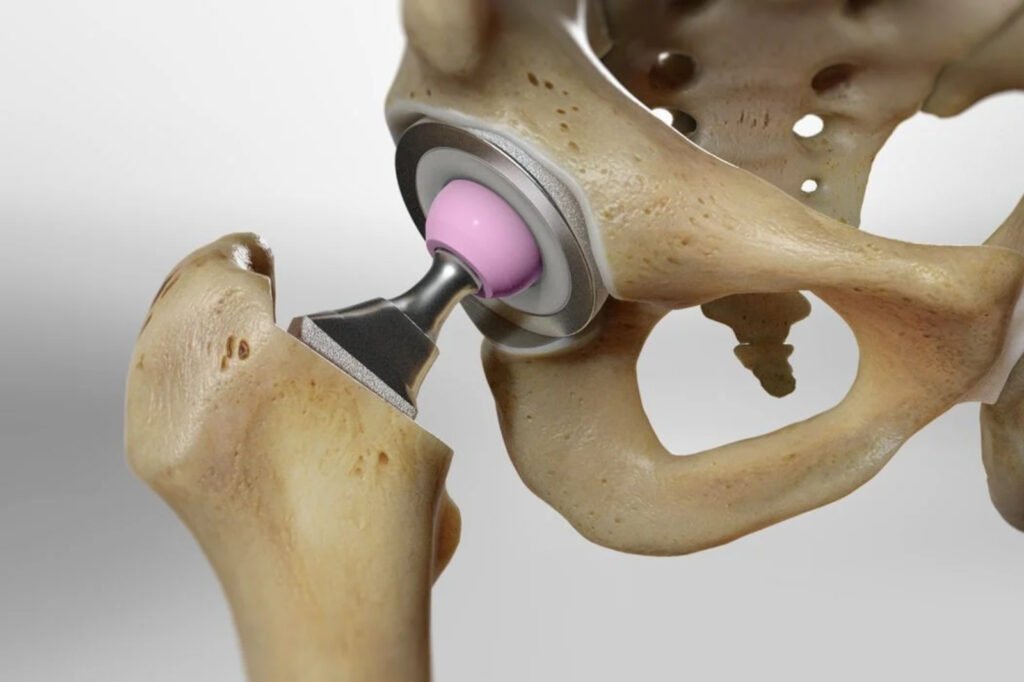

Hip Replacement Surgery in Vadodara
Understanding Hip Replacement Surgery
Hip pain can gradually affect the way you walk, sit, climb stairs, or carry out everyday activities. When the hip joint becomes damaged, movements that once felt natural may become painful or restricted. Conditions such as osteoarthritis can wear down the protective cartilage covering the joint surfaces, leading to stiffness, discomfort, and reduced mobility. In advanced cases, the damage may interfere with sleep, independence, and quality of life.
Hip Replacement Surgery in Vadodara may be considered when significant hip joint damage continues to cause pain despite appropriate non-surgical treatment. The decision depends on the extent of joint damage, its impact on daily activities, general health, and the potential benefits and risks of surgery. Dr. Shailin Shah provides orthopaedic evaluation and surgical care for joint conditions, with attention to treatment options, mobility, and recovery.
Expert Orthopedic Care by Dr. Shailin Shah
Signs that Hip Replacement May Be Worth Considering
Hip replacement is generally considered when persistent pain and stiffness significantly affect daily activities and appropriate treatments, such as physiotherapy, activity modification, or medication, no longer provide sufficient relief.
The decision involves more than imaging findings alone. An orthopaedic assessment considers the location and severity of pain, hip movement, walking ability, joint damage, and overall health to determine whether replacement surgery may offer meaningful benefits.

Persistent Hip Pain
Pain in the hip or groin continues despite treatment and makes walking, standing, or resting increasingly uncomfortable.

Restricted Joint Movement
Stiffness makes it difficult to bend the hip, put on footwear, get into a vehicle, or move comfortably.

Reduced Daily Mobility
Walking distances become shorter, stairs feel more difficult, and routine activities begin to require additional effort or assistance.
Inside a Hip Replacement Procedure
1
SURGICAL PLANNING
Reviewing hip imaging, joint damage, and medical history.
2
JOINT PREPARATION
Removing damaged surfaces to prepare for replacement.
3
IMPLANT PLACEMENT
Positioning artificial components to restore function.
4
MOVEMENT ASSESSMENT
Checking hip stability, alignment, & range of motion
Partial vs Total Hip Replacement
The type of hip replacement depends on the extent of joint damage, the underlying condition, and the patient’s overall health. The surgeon evaluates the hip joint and surrounding structures to determine which procedure is appropriate. The choice of implant and surgical approach may also vary according to individual clinical findings.

Partial Hip Replacement
Partial hip replacement replaces the femoral head, the ball at the top of the thigh bone, while preserving the natural hip socket. It is commonly considered for certain hip fractures rather than advanced arthritis.
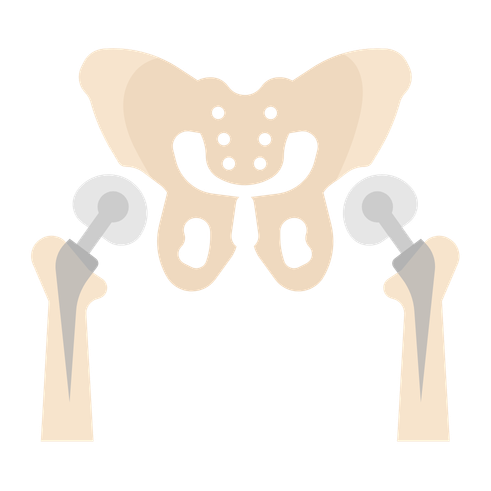
Total Hip Replacement
Total hip replacement replaces both the damaged femoral head & the hip socket with artificial components. It may be recommended for advanced arthritis /conditions causing substantial joint damage and persistent pain.

Hip Replacement Care with Dr. Shailin Shah
Dr. Shailin Shah is an orthopaedic surgeon practising at Rutvij Hospital, Vadodara. His clinical interests include joint replacement procedures, sports-related injuries, arthroscopy, and the assessment of musculoskeletal conditions.
His approach to hip care involves evaluating the extent of joint damage, understanding its effect on mobility, and considering the available treatment options. When hip replacement is being considered, the assessment helps establish whether surgery is appropriate and what the procedure may involve.
For those exploring Hip Replacement Surgery in Vadodara, a consultation with Dr. Shailin Shah can help clarify the suitability of joint replacement, the expected benefits and limitations, and the rehabilitation required following surgery.
Happy Patients
Recovery After Hip Replacement Surgery in Vadodara
Recovery after hip replacement surgery focuses on reducing discomfort, restoring movement, and gradually rebuilding strength. Early mobilisation, when medically appropriate, and guided physiotherapy help improve walking ability and support safe movement. The pace of recovery varies depending on general health, mobility before surgery, the type of procedure, and individual healing.
During the initial weeks, rehabilitation focuses on walking safely, performing prescribed exercises, and learning how to manage everyday movements while the hip heals. Activity levels are increased gradually under medical guidance, with follow-up appointments used to monitor progress. Following rehabilitation instructions and recommended movement precautions can help support recovery and the return to routine activities.
Frequently Asked Questions
How long does a hip replacement implant last?
Modern hip replacement implants can last many years, although their longevity varies with activity levels, implant materials, general health, and other factors. Regular follow-up helps monitor joint function and identify potential implant-related problems.
What investigations are needed before hip replacement surgery?
Assessment commonly includes a physical examination and hip X-rays to evaluate joint damage and bone structure. Blood tests, an ECG, or other investigations may also be recommended according to medical history and surgical requirements.
What anaesthesia is used during hip replacement surgery?
Hip replacement may be performed under spinal or general anaesthesia, depending on the patient’s health, the planned procedure, and the anaesthetist’s assessment. The anaesthesia team discusses the suitable option before surgery.
Will I need walking support after hip replacement?
Walking aids such as a walker or crutches are commonly used during the early recovery period. The duration depends on balance, strength, pain levels, and walking progress, with support reduced as it becomes safe to do so.
Can both hips be replaced during the same operation?
In selected cases, both hips may be replaced during one operation, but this is not suitable for everyone. The decision depends on overall health, surgical risk, functional needs, and the treating team’s assessment.
When can I return to work after hip replacement surgery?
The timing depends on the nature of your work, recovery progress, and physical demands. Desk-based work may be resumed earlier than jobs involving prolonged standing, lifting, or strenuous activity, subject to medical clearance.

Looking for Hip Replacement Surgery?
Consult Dr. Shailin Shah at Rutvij Hospital, Vadodara, to discuss your hip condition, whether replacement surgery may be appropriate, and what to expect from treatment and rehabilitation.