
Shoulder Replacement Surgery in Vadodara

Understanding Shoulder Replacement and Joint Damage

Shoulder pain can make everyday movements such as reaching overhead, dressing, lifting objects, or sleeping comfortably increasingly difficult. When the shoulder joint becomes damaged, its smooth movement may be affected by pain, stiffness, and reduced strength. Conditions such as osteoarthritis can gradually wear down the protective cartilage, while certain fractures and other joint disorders may also cause substantial damage that interferes with arm function.

Shoulder Replacement Surgery in Vadodara may be considered when significant shoulder joint damage continues to cause pain and restrict movement despite appropriate non-surgical treatment. The decision depends on the condition of the joint, the function of the surrounding muscles and tendons, overall health, and the expected benefits and risks of surgery. Dr. Shailin Shah provides orthopaedic evaluation and surgical care for joint conditions, with attention to treatment options, shoulder function, and rehabilitation.

Expert Orthopedic Care by Dr. Shailin Shah

FELLOWSHIP IN ARTHROPLASTY (JOINT REPLACEMENT) AND ARTHROSCOPY (KEY HOLE SURGERY)
REVIEWED ON
4.9 RATINGS
REVIEWED ON
4.9 RATINGS

When Shoulder Replacement May Be Worth Considering

Shoulder replacement may be recommended when persistent pain and restricted movement significantly affect daily activities and treatments such as physiotherapy, appropriate medication, or activity modification no longer provide sufficient relief.

An orthopaedic assessment considers more than the severity of pain alone. The evaluation may include joint movement, muscle and tendon function, imaging findings, the underlying condition, and overall health to determine whether shoulder replacement is appropriate.

Persistent Shoulder Pain

Pain continues despite appropriate treatment and makes everyday movements, resting, or sleeping comfortably increasingly difficult.

Restricted Arm Movement

Stiffness limits reaching overhead, dressing independently, lifting objects, or performing routine tasks that require shoulder movement.

Reduced Shoulder Function

Difficulty using the affected arm interferes with work, household activities, personal care, and other regular movements.


Inside a Shoulder Replacement Procedure

1

PRE-OP PLANNING

Assessing joint damage, findings & shoulder function.

2

JOINT PREPARATION

Removing damaged surfaces to prepare for replacement

3

IMPLANT POSITIONING

Placing components according to the selected design.

4

MOVEMENT ASSESSMENT

Checking stability, movement & implant positioning.

Which Shoulder Replacement Option Is Right for You?

The type of shoulder replacement depends on the extent of cartilage and bone damage, the condition of the rotator cuff tendons, and the stability of the joint. The surgeon evaluates these factors alongside medical history and imaging findings before recommending an appropriate procedure. Each replacement option has specific indications, benefits, and limitations.

Total Shoulder Replacement

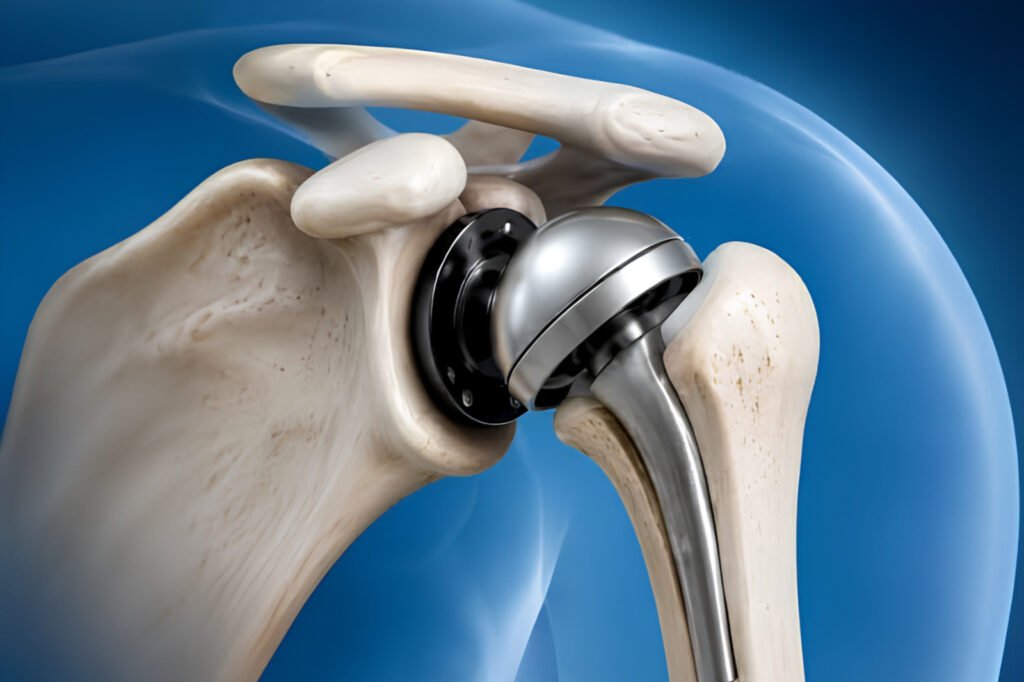
Total shoulder replacement generally replaces the damaged ball of the upper arm bone and the joint socket with artificial components. It may be suitable for advanced arthritis when the rotator cuff is functioning adequately.

Reverse Shoulder Replacement

Reverse shoulder replacement changes the usual ball-&-socket arrangement of the joint. It may be considered in patients with severe rotator cuff damage, complex fractures, or other conditions in which conventional replacement may not be suitable.

Partial Shoulder Replacement

Partial shoulder replacement replaces the damaged ball of the upper arm bone while preserving the natural socket. It may be considered for selected fractures or other conditions where replacing the entire joint is unnecessary.

Dr. Shailin Shah
M.S.(ORTHO), DNB (ORTHO), FIJR, FIASM, MNAMS, DIPLOMA IN FIFA

Shoulder Replacement Care with Dr. Shailin Shah

Dr. Shailin Shah is an orthopaedic surgeon practising at Rutvij Hospital, Vadodara. His clinical interests include joint replacement procedures, sports-related injuries, arthroscopy, and the assessment of musculoskeletal conditions.

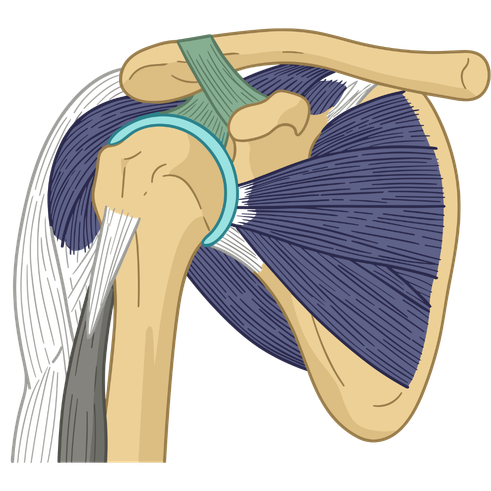
Shoulder joint problems can involve cartilage, bone, ligaments, and the rotator cuff tendons. Assessing these structures helps determine the source of pain and whether non-surgical management, another procedure, or shoulder replacement should be considered.

For those exploring Shoulder Replacement Surgery in Vadodara, a consultation with Dr. Shailin Shah can help clarify the available treatment options, the suitability of joint replacement, and the rehabilitation required to restore shoulder function.

Happy Patients

0 +
What to Expect During Recovery

Shoulder Replacement Recovery in Vadodara

Recovery after shoulder replacement surgery focuses on protecting the healing joint, managing discomfort, and gradually restoring movement and strength. A sling is commonly used during the initial recovery period, with its duration depending on the procedure and the surgeon’s instructions. Physiotherapy is introduced according to the healing stage to help restore mobility while protecting the repaired or reconstructed structures.

As recovery progresses, exercises gradually advance from guided movement to strengthening and functional activities. The timeline varies depending on the type of replacement, the condition of the rotator cuff, general health, and individual healing. Following movement precautions, attending follow-up appointments, and completing the prescribed rehabilitation programme are important for supporting long-term shoulder function.

Frequently Asked Questions

The duration varies depending on the type of replacement, the complexity of the joint damage, and the patient’s anatomy. Your surgeon can explain the expected operating time after reviewing your clinical findings and surgical plan.

A sling is commonly recommended to protect the shoulder during early healing. How long it is needed depends on the replacement technique, the condition of the surrounding tissues, and your surgeon’s rehabilitation instructions.

Shoulder pain can interfere with sleep, particularly when lying on the affected side. If joint damage is the main source of discomfort, replacement may improve sleep as pain reduces, although the degree of improvement varies between individuals.

Certain lifting, reaching, and weight-bearing movements may be restricted during recovery. The precautions depend on the type of replacement and the healing process, so activities should be resumed according to your surgeon’s guidance.

Yes, replacement may be considered for selected complex shoulder fractures, particularly when the joint cannot be adequately reconstructed. The choice depends on the fracture pattern, bone quality, rotator cuff condition, and other clinical factors.

Outcomes depend on the underlying condition, implant selection, rotator cuff function, general health, and rehabilitation. Following postoperative instructions and attending scheduled reviews help the surgical team monitor progress and address concerns.

Considering Shoulder Replacement Surgery?

Consult Dr. Shailin Shah at Rutvij Hospital, Vadodara, to discuss your shoulder condition, suitable treatment options, and what to expect from shoulder replacement and rehabilitation.

Scroll to Top