
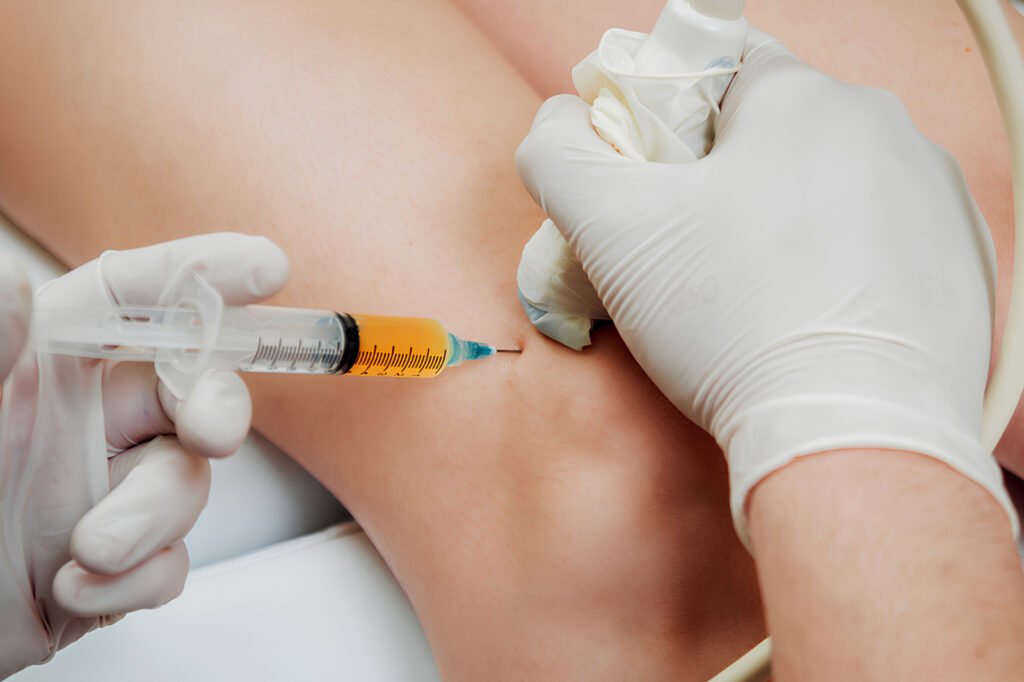

Regenerative Medicine in Vadodara
Understanding Regenerative Medicine for Joint and Musculoskeletal Conditions
Joint pain, tendon injuries, cartilage damage, and certain sports-related conditions can affect movement and everyday function. While conventional treatments aim to reduce pain, improve mobility, or repair damaged structures, regenerative medicine explores the use of biological materials to support the body’s healing processes in selected clinical situations.
Regenerative medicine in Vadodara may include treatments such as platelet-rich plasma (PRP) injections and selected stem cell-based approaches, depending on the condition being treated. Dr. Shailin Shah evaluates the source of pain, the extent of tissue damage, and available clinical evidence to determine whether these options may have a role alongside established orthopedic treatments.
Expert Orthopedic Care by Dr. Shailin Shah
When Regenerative Treatment May Be Considered
Regenerative treatments may be discussed for selected musculoskeletal conditions when the potential benefits, limitations, and alternatives have been assessed. Their suitability depends on the diagnosis, the severity of tissue damage, general health, and the quality of evidence supporting their use for that condition.
An orthopedic assessment helps distinguish conditions that may respond to non-surgical management from those requiring physiotherapy, medication, surgery, or other established treatments.

Persistent Joint Discomfort
Ongoing discomfort associated with certain joint conditions may prompt a discussion about available treatment options, including whether PRP has evidence of benefit for the specific diagnosis.

Tendon or Sports-Related Injuries
Some tendon and sports-related conditions may be considered for biologic treatments after appropriate assessment and, where indicated, a trial of structured rehabilitation.

Limited Improvement With Initial Treatment
When symptoms continue despite appropriate non-surgical care, a detailed evaluation can help determine whether another treatment approach is reasonable or whether further investigation is needed.
How Regenerative Medicine Treatment Is Planned
1
CONDITION ASSESSMENT
Reviewing symptoms, activity levels, medical history
2
TREATMENT SELECTION
Assessing which approach is appropriate for the diagnosis
3
PROCEDURE PLANNING
Explaining the proposed treatment and the preparation
4
REHABILITATION AND REVIEW
Planning activity modification, rehabilitation, and follow-up
Exploring PRP and Stem Cell-Based Treatments
The choice of regenerative treatment depends on the condition, the available evidence, and the patient’s treatment goals. These approaches are not interchangeable, and neither guarantees tissue regeneration or eliminates the need for other orthopedic care.

Platelet-Rich Plasma (PRP) Therapy
PRP is prepared from a sample of the patient's own blood. The sample is processed to concentrate platelets, which release growth factors and other signalling molecules involved in tissue repair. The resulting preparation may be injected into a selected area when clinically appropriate.
PRP has been studied for conditions such as knee osteoarthritis and certain tendon disorders, but results vary by diagnosis, preparation method, and treatment protocol. It may help improve symptoms in some patients, but it does not reliably restore lost cartilage or reverse advanced joint damage.

Stem Cell-Based Treatments
Stem cell-based approaches are being investigated for their potential role in tissue repair and musculoskeletal conditions. However, evidence for many orthopedic applications remains limited or evolving, and claims that stem cells can reliably regrow cartilage or reverse arthritis are not established.
The source of the cells, processing method, proposed use, safety considerations, and applicable regulatory requirements all matter. Such treatments should only be considered after careful medical evaluation, with a clear explanation of the evidence and uncertainties.
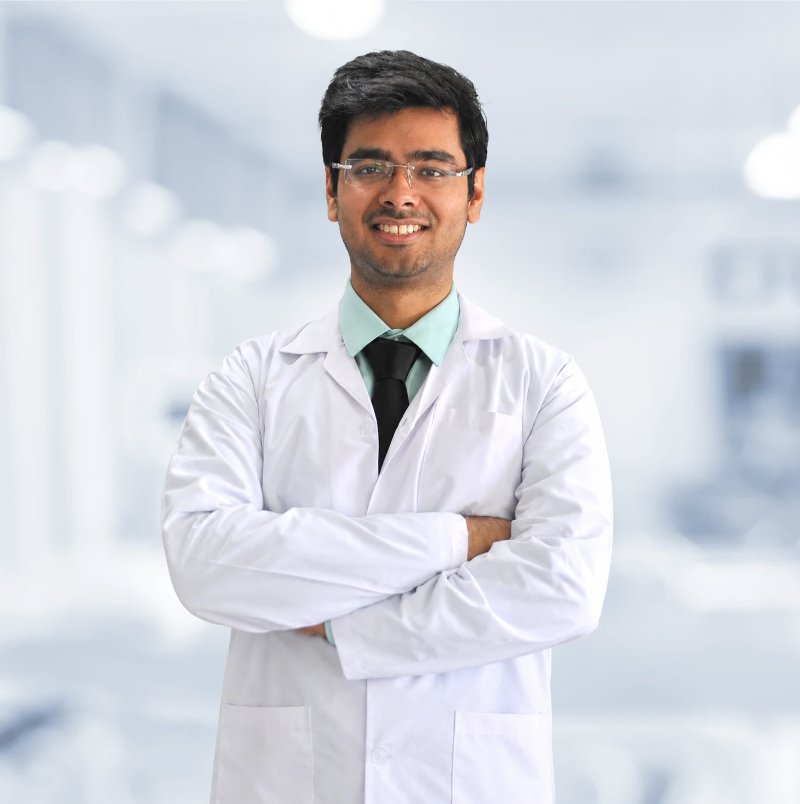
Regenerative Medicine Assessment with Dr. Shailin Shah
Dr. Shailin Shah provides orthopedic evaluation at Rutvij Hospital, Vadodara, for musculoskeletal conditions that affect joint function, movement, and physical activity. His fellowship training in arthroscopy and joint replacement is relevant to assessing a range of orthopedic problems and discussing appropriate treatment pathways.
The evaluation considers the location and duration of symptoms, previous injuries, activity requirements, and findings from clinical examination and relevant imaging. This helps establish whether the problem involves a joint, tendon, ligament, or another structure that requires a specific treatment approach.
When regenerative medicine is being considered, the consultation should include a discussion of the available evidence, expected outcomes, possible risks, and alternative treatments. The aim is to make an informed decision based on the diagnosis rather than relying on broad claims about what a biological treatment can achieve.
Happy Patients
Recovery After Regenerative Medicine Treatment in Vadodara
Recovery depends on the condition being treated and the procedure performed. After a PRP injection, temporary soreness, swelling, or discomfort may occur. Activity restrictions and the timing of physiotherapy depend on the treatment site and the clinician’s instructions.
Stem cell-based procedures can differ considerably in their preparation, delivery, and recovery requirements. Outcomes are not guaranteed, and improvement may be gradual or limited. Follow-up helps assess changes in pain and function and determine whether rehabilitation or additional treatment is needed. Patients should seek medical advice if they experience severe or worsening pain, marked swelling, fever, or other concerning symptoms after a procedure.
Frequently Asked Questions
What conditions may be considered for regenerative medicine?
Depending on the diagnosis and evidence available, regenerative treatments may be discussed for selected cases of knee osteoarthritis, certain tendon disorders, and some sports-related injuries. Suitability must be assessed individually, as evidence differs between conditions.
What is the difference between PRP and stem cell-based treatment?
PRP is prepared from the patient’s blood and concentrates platelets and their associated signalling molecules. Stem cell-based approaches involve different biological materials and methods. Their evidence, risks, preparation requirements, and potential applications are not the same.
Can PRP rebuild damaged cartilage?
PRP may improve symptoms in some patients with certain joint conditions, but it has not been shown to reliably rebuild lost cartilage. The expected benefit depends on the diagnosis and severity of damage.
How long does it take to notice improvement after PRP?
The timing varies by condition and individual response. Improvement, when it occurs, may take several weeks, and some patients experience little or no benefit. Follow-up assessment helps determine whether the treatment is meeting its intended goals.
Are stem cell treatments proven to cure arthritis?
No. Stem cell-based treatments have not been established as a cure for arthritis, and claims of reliably reversing joint damage are not supported by sufficient clinical evidence. Established options should be discussed alongside any investigational approach.
Is regenerative medicine suitable for every patient?
No. Suitability depends on the underlying condition, overall health, severity of tissue damage, previous treatment, and available evidence. Some patients may benefit more from rehabilitation, medication, or surgery.

Exploring Regenerative Medicine in Vadodara?
Consult Dr. Shailin Shah at Rutvij Hospital, Vadodara, to discuss PRP, stem cell-based approaches, and established orthopedic treatments, and understand which options may be appropriate for your condition.