

Frozen Shoulder Treatment in Vadodara

Understanding Frozen Shoulder and Restricted Movement

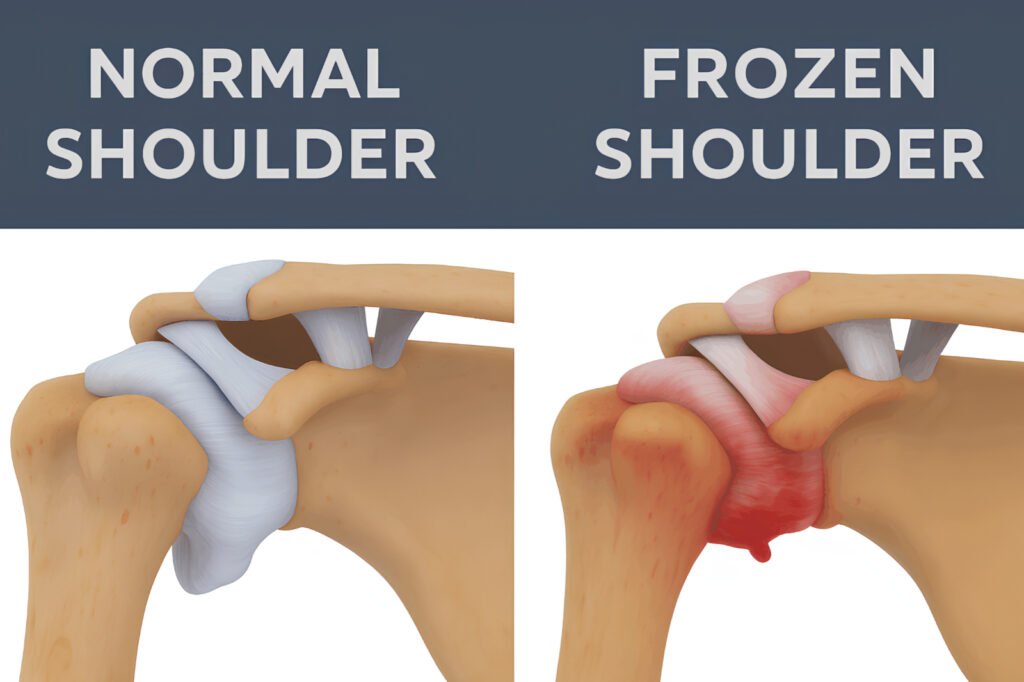
Frozen shoulder, also known as adhesive capsulitis, is a condition in which the capsule surrounding the shoulder joint becomes thickened and tight, restricting movement. Pain and stiffness can develop gradually, making everyday activities such as dressing, reaching overhead, fastening clothing, or sleeping comfortably increasingly difficult.

Frozen shoulder treatment in Vadodara focuses on reducing pain, improving joint mobility, and helping patients gradually regain shoulder function. Dr. Shailin Shah evaluates the severity of stiffness, the duration of symptoms, and any underlying conditions to determine an appropriate treatment plan based on the patient’s clinical findings.

Expert Orthopedic Care by Dr. Shailin Shah

FELLOWSHIP IN ARTHROPLASTY (JOINT REPLACEMENT) AND ARTHROSCOPY (KEY HOLE SURGERY)
REVIEWED ON
4.9 RATINGS
REVIEWED ON
4.9 RATINGS

When Shoulder Stiffness Needs Medical Attention

Frozen shoulder often develops gradually, with pain appearing before significant stiffness becomes noticeable. Although movement may improve over time, persistent symptoms can interfere with sleep, work, and daily independence.

An orthopedic assessment helps distinguish frozen shoulder from other causes of shoulder pain, including rotator cuff problems, arthritis, and injuries. This distinction is important because the treatment approach can differ.

Increasing Shoulder Stiffness

Difficulty raising the arm, reaching behind the back, or rotating the shoulder may indicate progressive restriction of the joint capsule.

Pain That Disrupts Sleep

Shoulder pain that becomes more noticeable at night or when lying on the affected side can interfere with rest and daily comfort.

Difficulty With Everyday Activities

Trouble dressing, washing your hair, reaching shelves, or performing routine tasks may indicate that shoulder stiffness needs further evaluation.


How Frozen Shoulder Treatment Progresses

1

ASSESSMENT

Reviewing the history of symptoms to assess stiffness

2

JOINT PREPARATION

Considering appropriate pain-relief measures/ adjustments 

3

MOBILITY RESTORATION

Introducing guided exercises and physiotherapy 

4

INTERVENTION

Considering options such as an injection or a procedure

Which Frozen Shoulder Treatment Is Suitable for You?

Frozen shoulder usually improves gradually, but the duration and severity vary between individuals. Treatment is selected according to the stage of stiffness, pain levels, functional limitations, and response to earlier measures.

Medication and Activity Modification

Appropriate pain-relief medication, when medically suitable, may help reduce discomfort. Avoiding prolonged immobility while limiting movements that sharply aggravate pain can help support recovery.

Physiotherapy and Stretching

Guided exercises aim to maintain and gradually improve shoulder movement. The intensity should match the stage of the condition, as forceful stretching during a highly painful phase may aggravate symptoms.

Shoulder Injections

A corticosteroid injection may be considered in selected cases to help reduce pain and inflammation, particularly during the earlier stages. The decision depends on the patient's medical history and clinical assessment.

Arthroscopic Capsular Release

For persistent stiffness that does not improve with non-surgical treatment, arthroscopic capsular release may be considered. This keyhole procedure releases contracted portions of the joint capsule, followed by rehabilitation

Dr. Shailin Shah
M.S.(ORTHO), DNB (ORTHO), FIJR, FIASM, MNAMS, DIPLOMA IN FIFA

Frozen Shoulder Care with Dr. Shailin Shah

Dr. Shailin Shah provides orthopedic evaluation at Rutvij Hospital, Vadodara, for shoulder conditions that restrict movement and affect everyday activities. His fellowship training in arthroscopy is relevant when assessing patients who may require further intervention for persistent shoulder stiffness.

The consultation focuses on how symptoms developed, the movements that are most restricted, and the extent to which pain affects sleep and daily function. Examination helps assess shoulder mobility and identify features that may suggest another underlying condition.

Treatment recommendations are based on the severity and stage of frozen shoulder, the patient’s response to previous treatment, and functional needs. When additional procedures are being considered, the discussion includes their potential benefits, limitations, and the rehabilitation needed to support progress.

Happy Patients

0 +
What to Expect During Recovery

Recovery During Frozen Shoulder Treatment in Vadodara

Recovery from frozen shoulder is often gradual and may take several months or longer. Pain and stiffness do not always improve at the same rate, and some patients experience periods when progress feels slow. Regular follow-up helps assess changes in mobility and determine whether the treatment approach needs adjustment.

Physiotherapy and home exercises play an important role in restoring movement, but exercises should be performed within an appropriate comfort range. If an injection or surgical procedure is required, rehabilitation is planned according to the intervention and the shoulder’s response. Consistency, realistic expectations, and gradual progression are important throughout recovery.

Frequently Asked Questions

Frozen shoulder may improve over several months, although some cases take one to three years to settle. The duration varies depending on symptom severity, individual recovery, and the response to treatment.

No. Frozen shoulder primarily involves tightening of the capsule surrounding the joint, while a rotator cuff tear involves damage to tendons that help move and stabilise the shoulder. Both can cause pain and restricted movement, so assessment is important.

Yes. Many cases improve with non-surgical management, including appropriate pain relief, mobility exercises, and physiotherapy. Surgery is generally considered only when substantial symptoms persist despite suitable conservative treatment.

Recurrence in the same shoulder is uncommon, but symptoms can sometimes persist or return. The opposite shoulder may also develop frozen shoulder, particularly in people with certain risk factors.

Gentle, appropriate movement is often helpful, but exercises should not force the shoulder through severe pain. A physiotherapist or treating clinician can guide the intensity and type of movement suitable for the stage of the condition.

Yes. Frozen shoulder occurs more frequently in people with diabetes. It may also develop after shoulder injury, surgery, or a period of reduced movement, although some cases occur without a clear trigger.

Looking for Frozen Shoulder Treatment in Vadodara?

Consult Dr. Shailin Shah at Rutvij Hospital, Vadodara, to understand the cause of your shoulder stiffness, discuss suitable treatment options, and plan the next steps towards improving movement and daily function.

Scroll to Top