
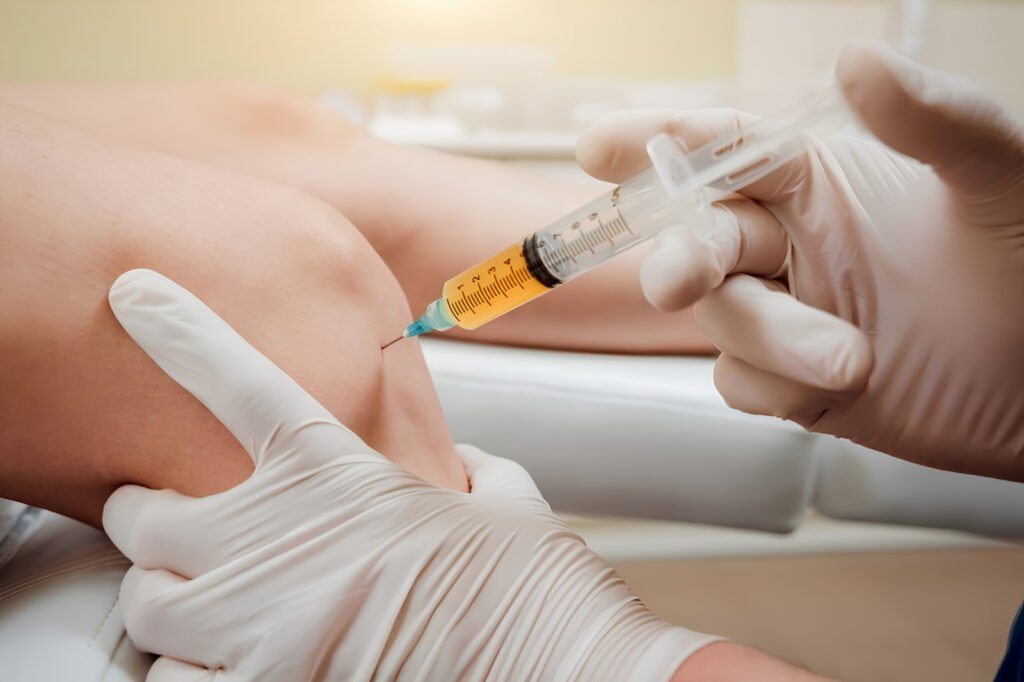

Joint Preservation Treatment in Vadodara

Understanding Joint Preservation and Long-Term Mobility

Joint pain, cartilage damage, early osteoarthritis, and sports-related injuries can gradually affect how comfortably a joint moves. When these problems are identified early, treatment may focus on reducing symptoms, improving joint function, and preserving the remaining healthy structures before more extensive damage develops.

Joint preservation treatment in Vadodara focuses on managing joint conditions with the aim of maintaining natural joint function for as long as reasonably possible. Dr. Shailin Shah evaluates the extent of cartilage or structural damage, joint alignment, activity levels, and response to previous treatment to determine which non-surgical or joint-preserving procedures may be suitable.

Expert Orthopedic Care by Dr. Shailin Shah

FELLOWSHIP IN ARTHROPLASTY (JOINT REPLACEMENT) AND ARTHROSCOPY (KEY HOLE SURGERY)
REVIEWED ON
4.9 RATINGS
REVIEWED ON
4.9 RATINGS

When Joint Preservation May Be Worth Considering

Joint preservation may be considered when a joint is painful or functionally limited but still has structures that may benefit from targeted treatment. The most suitable approach depends on the underlying condition, the extent of cartilage loss, and whether the joint remains mechanically stable.

An orthopedic assessment helps establish whether the symptoms may improve with rehabilitation and activity modification or whether a procedure to address a specific structural problem should be considered.

Early Cartilage Damage

Cartilage injuries or early degenerative changes may cause pain, swelling, or discomfort during activity. Assessment helps determine the extent of damage and whether a joint-preserving approach is appropriate.

Pain During Everyday Activities

Discomfort while walking, climbing stairs, bending, or participating in sports may indicate a joint problem that needs evaluation before symptoms become more limiting.

Joint Instability or Alignment Problems

Ligament injuries, meniscal damage, or abnormal joint alignment can place additional stress on cartilage. Addressing the underlying problem may help protect the joint in suitable cases.


How Joint Preservation Treatment Is Planned

1

JOINT ASSESSMENT

Evaluating symptoms, stability, alignment, activity levels, and relevant imaging

2

DAMAGE MAPPING

Assessing cartilage condition, meniscal or ligament injuries, and structural changes

3

TREATMENT

Selecting appropriate rehabilitation, medication, or a joint-preserving procedure

4

MONITORING

Reviewing symptoms, mobility, and response to treatment while adjusting rehabilitation

Exploring Joint Preservation Treatment Options

The goal of joint preservation is to maintain useful function and manage the underlying problem without moving prematurely to joint replacement. Not every technique suits every patient, and the potential benefits depend on the diagnosis and severity of damage.

Physiotherapy and Activity Modification

Strengthening the muscles around a joint, improving movement control, and modifying activities that aggravate symptoms may help reduce stress on the affected area. Exercise programmes are adjusted according to the joint condition and the patient's functional goals.

Arthroscopic Joint Treatment

For selected conditions, arthroscopy may allow the surgeon to assess and treat problems such as certain meniscal tears, loose fragments, or specific cartilage and ligament injuries through small incisions. The procedure depends on the underlying diagnosis, as arthroscopy does not benefit every form of osteoarthritis.

Cartilage and Structural Procedures

Selected patients with focal cartilage defects or particular structural abnormalities may be considered for procedures designed to address the damaged area or improve joint mechanics. Suitability depends on factors such as defect size, joint alignment, overall cartilage condition, and activity requirements.
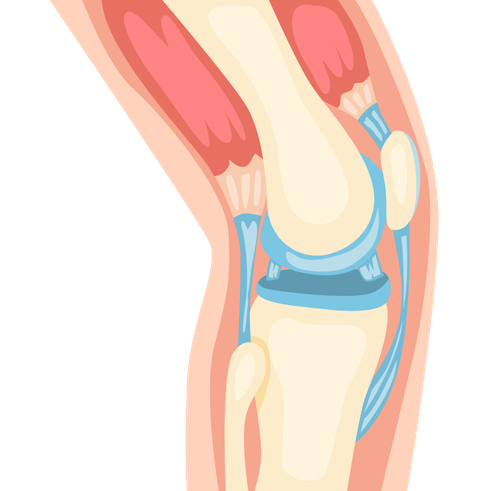
Joint Alignment and Load Correction

In certain patients, abnormal alignment places excessive load on one part of a joint. An alignment-correcting procedure may be considered to redistribute forces & potentially delay progression towards joint replacement. These procedures require careful assessment & are not suitable for every condition.

Dr. Shailin Shah
M.S.(ORTHO), DNB (ORTHO), FIJR, FIASM, MNAMS, DIPLOMA IN FIFA

Joint Preservation Care with Dr. Shailin Shah

Dr. Shailin Shah provides orthopedic evaluation at Rutvij Hospital, Vadodara, for joint conditions that affect movement, stability, and physical activity. His fellowship training in arthroscopy and joint replacement is relevant to assessing joint damage and discussing options ranging from conservative management to selected surgical procedures.

The assessment considers the location and duration of pain, previous injuries, activity demands, and findings from physical examination and imaging. Understanding whether the problem arises from cartilage damage, meniscal or ligament injury, or joint alignment helps guide the treatment decision.

When joint preservation is an option, the consultation includes a discussion of its likely benefits, limitations, recovery requirements, and alternatives. If joint damage is advanced, other treatments, including joint replacement assessment, may be more appropriate. The aim is to match the treatment to the condition rather than pursue preservation when it is unlikely to provide meaningful benefit.

Happy Patients

0 +
What to Expect During Recovery

Recovery After Joint Preservation Treatment in Vadodara

Recovery depends on the treatment selected and the extent of joint damage. Patients receiving non-surgical care may progress through a structured exercise programme, while those undergoing arthroscopy or another joint-preserving procedure may need temporary activity restrictions and a staged rehabilitation plan.

Follow-up helps assess pain, movement, strength, and the ability to return to everyday activities. Some procedures require a longer period of protected weight-bearing or restricted activity to allow the treated tissue to heal. Joint preservation cannot guarantee that arthritis will not progress, but appropriate management may help maintain function in selected patients.

Frequently Asked Questions

Joint preservation refers to treatments intended to maintain the function of a natural joint and manage the problems contributing to pain or damage. Depending on the diagnosis, this may involve exercise, activity modification, or selected surgical procedures.

In some patients, appropriate treatment may help manage symptoms or delay the need for joint replacement. However, the outcome depends on the extent of cartilage loss, joint alignment, the underlying condition, and the response to treatment.

No. Age is one consideration, but the decision also depends on the condition of the joint, activity levels, overall health, and the specific problem being treated. The suitability of a procedure must be assessed individually.

Articular cartilage has limited capacity to heal itself. Some procedures may help manage selected cartilage defects, but they do not reliably restore normal cartilage in every patient. Treatment depends on the type and extent of damage.

No. Many treatment plans begin with physiotherapy, strengthening, activity modification, and other non-surgical measures. Surgery is considered when there is a specific structural problem that may benefit from intervention.

An orthopedic evaluation, including examination and appropriate imaging, helps assess cartilage condition, alignment, stability, and the extent of damage. These findings help determine whether joint preservation is reasonable or another treatment may be more beneficial.

Looking for Joint Preservation Treatment in Vadodara?

Consult Dr. Shailin Shah at Rutvij Hospital, Vadodara, to understand the condition affecting your joint, explore suitable preservation options, and discuss a treatment plan focused on maintaining movement and everyday function.

Scroll to Top