
Ligament and Tendon Repair in Vadodara

Understanding Ligament and Tendon Injuries

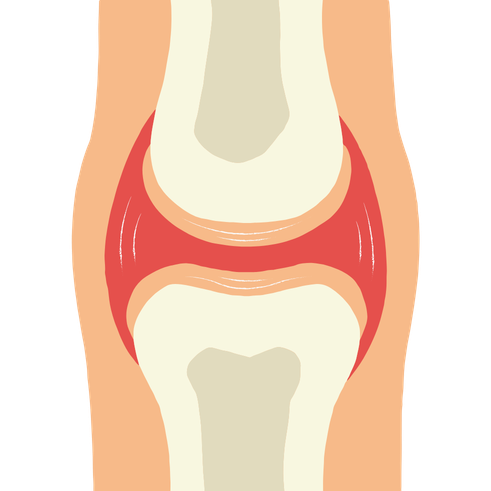
Ligaments and tendons play different but equally important roles in movement. Ligaments connect bones and help stabilise joints, while tendons connect muscles to bones and transmit the force needed for movement. A sudden twist, sports injury, fall, or repetitive strain can damage these structures, causing pain, swelling, weakness, or joint instability.

Ligament and tendon repair in Vadodara focuses on restoring stability and function when these injuries interfere with everyday activities or physical performance. Dr. Shailin Shah evaluates the affected structure, the extent of tissue damage, and the patient’s functional requirements to determine whether rehabilitation, surgical repair, or reconstruction may be appropriate.

Expert Orthopedic Care by Dr. Shailin Shah

FELLOWSHIP IN ARTHROPLASTY (JOINT REPLACEMENT) AND ARTHROSCOPY (KEY HOLE SURGERY)
REVIEWED ON
4.9 RATINGS
REVIEWED ON
4.9 RATINGS

When a Ligament or Tendon Injury Needs Further Assessment

Some ligament and tendon injuries improve with rest, activity modification, and structured rehabilitation. More severe tears, persistent weakness, or injuries that compromise joint stability may require additional investigation and consideration of surgery.

An orthopedic assessment helps identify the injured structure and establish whether the tissue is partially torn, completely torn, or associated with damage to other parts of the joint.

Pain and Swelling After an Injury

Pain, bruising, or swelling following a sudden movement or impact may indicate damage to a ligament or tendon and should be assessed when symptoms are significant or persistent.

Joint Instability or Giving Way

A sensation that the knee, ankle, or another joint may buckle or give way can indicate ligament damage affecting joint stability.

Weakness During Movement

Difficulty lifting an arm, bending a joint, pushing off while walking, or performing activities that previously felt comfortable may suggest a tendon injury affecting muscle function.


How Ligament and Tendon Repair Is Performed

1

ASSESSMENT

Reviewing the injury, movement, strength, stability & imaging findings

2

REPAIR PLANNING

Planning whether to reconstruct or non-surgical management 

3

TISSUE REPAIR

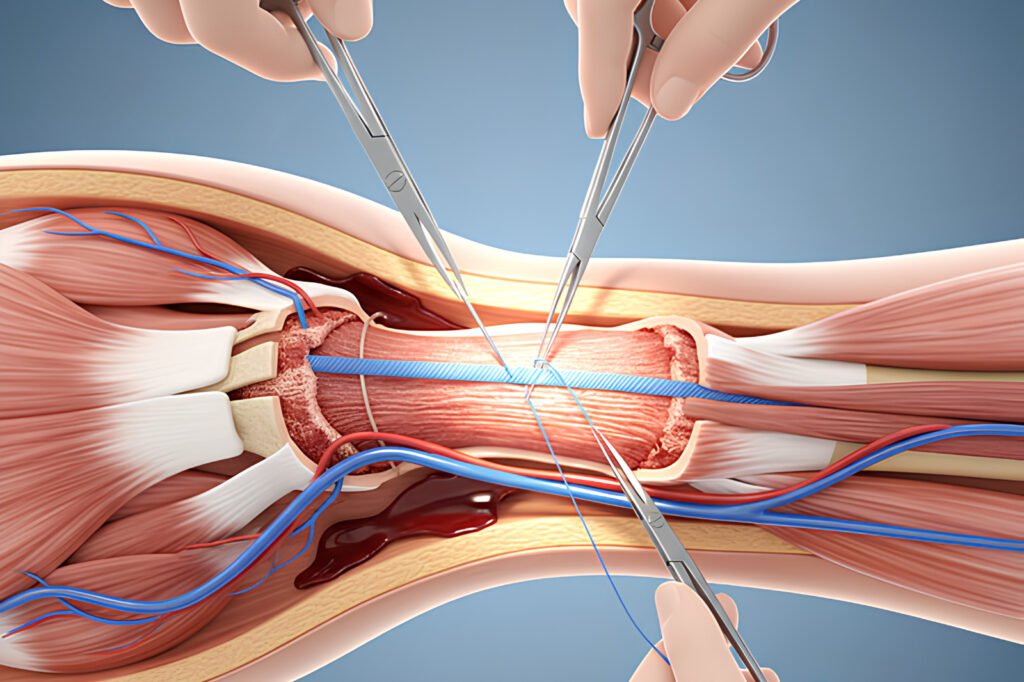
Reattaching a torn tendon or repairing selected ligament injuries using suitable technique

4

REHABILITATION

Protecting the healing tissue and progressively restoring movement, strength, balance,

Choosing the Right Type of Ligament and Tendon Repair

Not every tear requires surgery. Treatment depends on the injured structure, the degree of damage, joint stability, the time since injury, and the patient’s activity requirements.

Ligament Repair or Reconstruction

Selected ligament injuries may be treated with direct repair when the tissue and injury pattern are suitable. Other injuries, such as many anterior cruciate ligament (ACL) tears requiring surgery, may be better managed with reconstruction using a graft to restore stability.
Tendon Repair

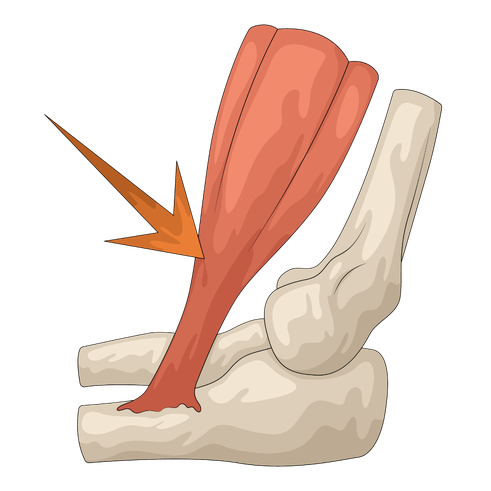
A torn tendon may require surgical reattachment when the injury significantly affects movement or muscle function. The specific approach depends on the tendon involved, the extent of the tear, and the condition of the surrounding tissue.
Non-Surgical Management

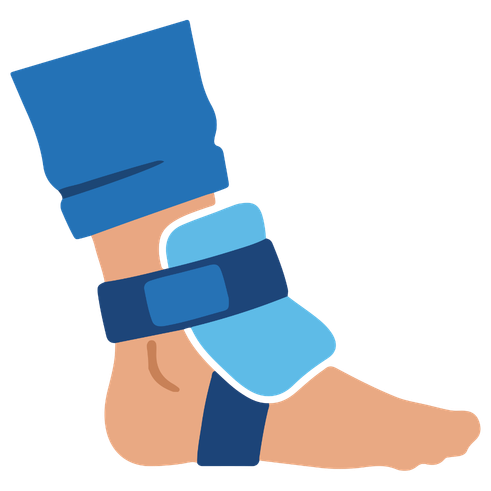
Partial tears and selected stable injuries may improve with activity modification, bracing where appropriate, pain management, and physiotherapy. Rehabilitation helps maintain movement and strengthen the muscles supporting the affected joint while the injury heals.

Arthroscopic Repair

For suitable injuries involving joints such as the knee or shoulder, arthroscopy allows the surgeon to assess and treat the damaged structures through small incisions using a camera and specialised instruments. The technique depends on the specific injury and may not be appropriate for every ligament or tendon tear.

Dr. Shailin Shah
M.S.(ORTHO), DNB (ORTHO), FIJR, FIASM, MNAMS, DIPLOMA IN FIFA

Ligament and Tendon Injury Care with Dr. Shailin Shah

Dr. Shailin Shah provides orthopedic evaluation at Rutvij Hospital, Vadodara, for injuries affecting joint stability, tendon function, and movement. His fellowship training in arthroscopy is relevant to the assessment and surgical management of selected ligament and tendon conditions.

During consultation, the evaluation considers how the injury occurred, which movements are affected, and whether the joint feels weak or unstable. Clinical examination and appropriate imaging help determine the location and extent of tissue damage and whether the injury may respond to non-surgical care.

When repair or reconstruction is being considered, the discussion includes the purpose of the procedure, expected functional benefits, potential risks, and the rehabilitation required afterward. Treatment recommendations are based on the injured structure and the patient’s recovery goals.

Happy Patients

0 +
What to Expect During Recovery

Recovery After Ligament and Tendon Repair in Vadodara

Recovery varies according to the structure involved, the severity of the tear, and whether treatment involves rehabilitation, direct repair, or reconstruction. Some patients can begin controlled movement early, while others need a brace, sling, or temporary restrictions on weight-bearing to protect the healing tissue.

Physiotherapy progresses through appropriate stages, helping restore mobility, strength, coordination, and joint control. Returning to work, lifting, running, or sports depends on the type of injury, tissue healing, and functional progress. Following rehabilitation guidance is important because returning to strenuous activity too early may place excessive stress on the repair.

Frequently Asked Questions

A ligament connects one bone to another and helps stabilise a joint. A tendon connects muscle to bone and transfers the force required for movement. Injuries to either structure can cause pain and reduced function, but treatment depends on the specific tissue involved.

No. Many partial tears and selected stable injuries can be managed with activity modification and physiotherapy. Surgery may be considered when there is significant functional loss, persistent instability, or a tear that is unlikely to recover adequately without repair.

Healing potential varies by ligament and injury pattern. Some complete tears can be managed without surgery, while others may leave the joint unstable. Assessment helps determine whether rehabilitation alone or surgical treatment is appropriate.

Many patients can return to sports, but timing depends on healing, strength, balance, movement quality, and the demands of the activity. Return should be guided by clinical assessment and appropriate functional milestones rather than time alone.

Recovery may take several weeks to many months, depending on the injured structure and procedure. More complex repairs and injuries requiring reconstruction often need longer rehabilitation before demanding activities can resume.

Physiotherapy is usually an important part of recovery. It helps restore movement, rebuild strength, and improve joint control while respecting the healing limits of the repaired tissue.

Looking for Ligament and Tendon Repair in Vadodara?

Consult Dr. Shailin Shah at Rutvij Hospital, Vadodara, to understand the extent of your injury, discuss suitable repair or reconstruction options, and plan the next steps towards restoring movement and joint function.

Scroll to Top