
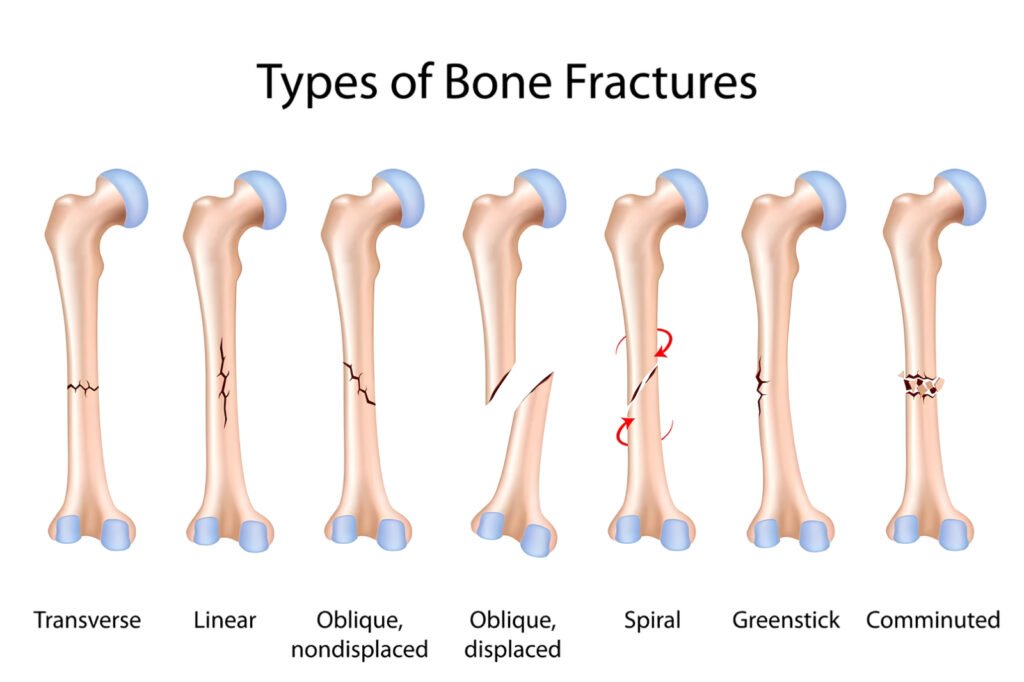

Fracture and Bone Trauma Treatment in Vadodara
Understanding Fractures and Bone Injuries
A fracture occurs when a bone breaks or develops a crack due to a fall, road traffic accident, sports injury, or direct impact. Bone trauma can also involve damage to surrounding muscles, ligaments, blood vessels, and nerves. Depending on the location and severity, these injuries may affect movement, stability, and the ability to carry out everyday activities.
Fracture and bone trauma treatment in Vadodara focuses on restoring bone alignment, supporting healing, and helping patients regain function. Dr. Shailin Shah evaluates the type of fracture, the extent of injury, and the condition of the surrounding tissues to determine whether immobilisation, surgical fixation, or another treatment approach is appropriate.
Expert Orthopedic Care by Dr. Shailin Shah
When a Bone Injury Needs Orthopedic Assessment
Fractures can range from small cracks to complex injuries involving multiple bone fragments or damage to a joint. Prompt assessment helps identify the injury and determine how to protect the affected area while reducing the risk of further damage.
Suspected fractures require medical evaluation, particularly after significant trauma. An open wound over a suspected fracture, visible deformity, uncontrolled bleeding, numbness, or a cold or pale hand or foot requires urgent medical attention.

Severe Pain and Swelling
Significant pain, bruising, swelling, or tenderness after an impact may indicate a fracture, even when the bone does not appear visibly deformed.

Difficulty Bearing Weight or Moving
An inability to stand, walk, grip, or move the injured limb normally may suggest a significant bone or joint injury that requires examination and imaging.

Visible Deformity or an Open Wound
An unusual limb position or a wound near a suspected fracture may indicate a more serious injury. These findings require urgent assessment rather than attempts to straighten or reposition the affected area at home.

How Fracture Treatment Is Planned
1
ASSESSMENT
Evaluating the injury, pain, swelling, skin condition
2
IMAGING
Using X-rays or CT Scans to establish the fracture pattern,
3
STABILISATION
Using a cast, splint, reduction, or surgical fixation
4
REHABILITATION
Monitoring bone healing & restoring movement
Choosing the Right Fracture Treatment
Not every fracture requires surgery. The decision depends on whether the bone can heal in a satisfactory position without fixation, the stability of the fracture, and the demands placed on the affected limb.

Non-Surgical Fracture Management
Stable fractures with acceptable alignment may be treated using a cast, splint, brace, or other form of immobilisation. Follow-up imaging helps confirm that the bone remains in a suitable position as healing progresses.
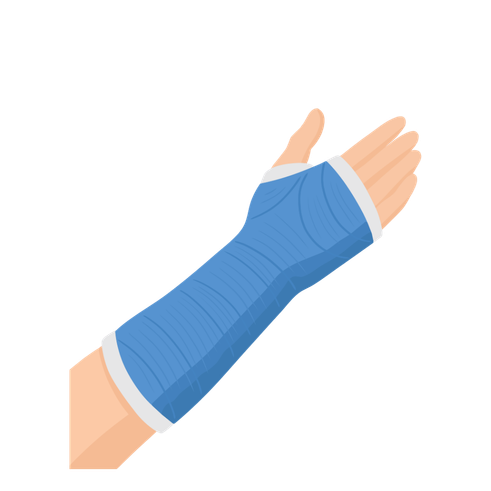
Fracture Reduction and Casting
When the bone fragments have shifted, a clinician may need to reposition them before applying a cast or splint. The decision depends on the fracture pattern, the amount of displacement, and whether the position can be maintained safely.
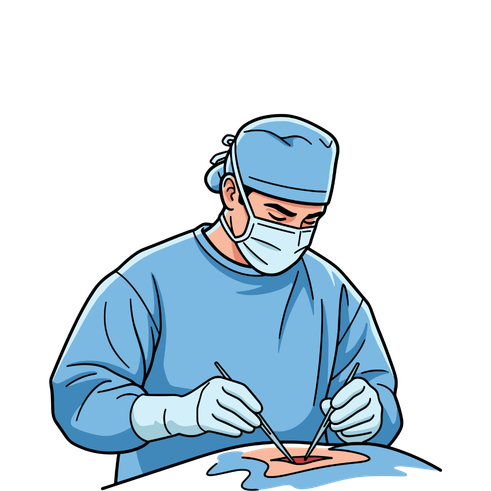
Surgical Fracture Fixation
Some fractures require surgery to restore alignment and maintain stability. Depending on the injury, fixation may involve plates, screws, rods, or pins. Surgery may be considered for unstable, significantly displaced, open, or joint-involving fractures.

Complex and Open Fracture Care
Open fractures involve a break in the skin near the fracture and carry a risk of contamination and infection. They require urgent treatment, which may include wound management, antibiotics, and surgical stabilisation. Complex injuries may also need coordinated care for associated soft-tissue damage.

Fracture and Bone Trauma Care with Dr. Shailin Shah
Dr. Shailin Shah provides orthopedic evaluation at Rutvij Hospital, Vadodara, for bone injuries that affect stability, mobility, and everyday function. His orthopedic practice includes the assessment of musculoskeletal conditions, with treatment decisions guided by the nature and extent of each injury.
During consultation, the evaluation considers how the injury occurred, which bone is affected, whether the fracture involves a nearby joint, and whether there are signs of associated tissue damage. Imaging findings help establish the fracture pattern and guide decisions about immobilisation, reduction, or surgical fixation.
The treatment discussion covers the intended approach, expected healing process, possible complications, and the rehabilitation required to regain function. For serious injuries requiring emergency trauma services or specialist support beyond the available facilities, timely referral to an appropriately equipped centre is important.
Stable Healing Begins with Accurate Fracture Care
Happy Patients
Recovery After Fracture and Bone Trauma Treatment in Vadodara
Fracture recovery depends on the bone involved, the severity of the injury, the treatment method, and individual health factors. Some fractures heal over several weeks, while more complex injuries may take months. Follow-up appointments and imaging help assess bone alignment and healing and identify any concerns that need attention.
Rehabilitation is introduced according to the fracture and the stage of recovery. It may involve maintaining movement in unaffected joints, gradually restoring mobility, strengthening muscles, and progressing towards normal daily activities. Patients should follow weight-bearing and activity restrictions carefully, as returning to strenuous activity too early can interfere with healing or cause further injury.
Frequently Asked Questions
Can a fracture heal without surgery?
Yes. Many stable fractures can heal with a cast, splint, or brace when the bone is in an acceptable position. Surgery is considered when the fracture’s pattern, displacement, or instability makes non-surgical treatment unsuitable.
What is the difference between a fracture and a broken bone?
There is no medical difference. A fracture is the clinical term for a break or crack in a bone, ranging from a small crack to a complete break involving displaced fragments.
What should I do immediately after a suspected fracture?
Keep the injured area as still as possible and seek medical care. Do not try to straighten the limb or push exposed bone back into place. For an open injury, cover the wound with a clean dressing without pressing on exposed bone, and seek emergency help.
What can delay fracture healing?
Factors such as severe injury, poor blood supply, infection, smoking, certain medical conditions, and inadequate fracture stability may delay healing. Follow-up helps identify problems and determine whether the treatment plan needs adjustment.
How do doctors determine whether a fracture needs surgery?
The decision depends on the bone involved, fracture alignment, stability, joint involvement, soft-tissue damage, and the patient’s overall condition. X-rays and sometimes CT scans help guide the treatment plan.
Can I walk on a fractured leg if the pain is manageable?
Pain alone cannot establish whether weight-bearing is safe. Walking on some fractures can worsen displacement or interfere with healing. Follow the treating clinician’s instructions until the injury has been properly assessed.

Looking for Fracture and Bone Trauma Treatment in Vadodara?
Consult Dr. Shailin Shah at Rutvij Hospital, Vadodara, for an orthopedic assessment of your bone injury, guidance on suitable fracture management, and a treatment plan focused on safe healing and recovery of function.