
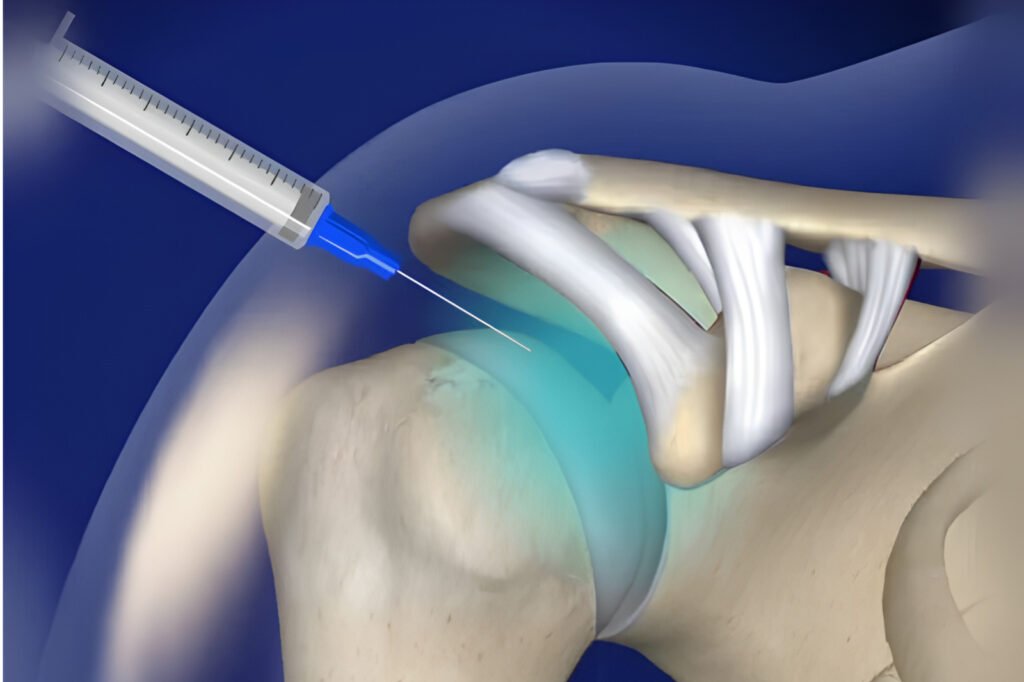

Intra-Articular Injections in Vadodara
Understanding Intra-Articular Injections for Joint Pain
Joint pain and stiffness can develop due to osteoarthritis, inflammation, injury, or changes in the cartilage and other structures within a joint. When discomfort affects walking, climbing stairs, bending, or everyday activities, treatment may involve medication, physiotherapy, lifestyle adjustments, or other interventions depending on the underlying cause.
Intra-articular injections in Vadodara involve administering medication or another suitable preparation directly into a joint to help manage symptoms in selected conditions. Dr. Shailin Shah assesses the affected joint, the severity of symptoms, and previous treatment to determine whether an injection may be appropriate and which option best fits the clinical findings.
Expert Orthopedic Care by Dr. Shailin Shah
When Joint Injections May Be Considered
Intra-articular injections may be considered when joint pain or inflammation continues to interfere with daily activities. Their suitability depends on the diagnosis, the joint involved, the degree of damage, and the response to other treatments.
An orthopedic evaluation helps identify the source of symptoms and establish whether an injection is likely to provide meaningful relief or whether another treatment approach is more appropriate.

Persistent Joint Pain
Ongoing pain from conditions such as osteoarthritis may warrant further assessment when activity modification, exercise, or other initial measures have not provided sufficient relief.

Swelling and Inflammation
Selected inflammatory joint conditions may benefit from an injection when clinically indicated. The cause of swelling must be assessed before treatment, particularly if an infection is possible.

Difficulty With Daily Movement
Pain and stiffness that make walking, bending, or using the affected joint difficult may prompt a discussion about injections as one part of a broader treatment plan.
How Intra-Articular Injection Treatment Works
1
JOINT ASSESSMENT
Reviewing symptoms, to identify the cause of joint discomfort.
2
INJECTION SELECTION
Choosing a preparation based on the diagnosis, benefit and available evidence.
3
ADMINISTRATION
Preparing the injection site carefully & administering the selected preparation
4
MONITORING
Providing aftercare & reviewing symptom changes to guide rehabilitation.
Types of Intra-Articular Injections
Different injections have different purposes, benefits, and limitations. The appropriate choice depends on the joint condition and the evidence supporting the proposed treatment.

Corticosteroid Injections
Corticosteroid injections may help reduce inflammation and provide short-term pain relief in selected joint conditions. Their use and frequency require careful consideration because repeated injections may carry risks, including potential effects on joint tissues.
Hyaluronic Acid Injections
Hyaluronic acid injections, sometimes called viscosupplementation, are used mainly for certain cases of knee osteoarthritis. Evidence of benefit varies, and recommendations differ between clinical guidelines. They are not suitable for every patient and do not restore lost cartilage.

Platelet-Rich Plasma (PRP) Injections
PRP is prepared from the patient's own blood and contains a concentrated amount of platelets. It has been studied for conditions such as knee osteoarthritis, but results vary, and the strength of evidence depends on the condition and preparation method.

Other Therapeutic Injections
Depending on the diagnosis, other injections may be considered for specific joint conditions. The preparation, intended effect, safety considerations, and evidence should be discussed before treatment. Suspected joint infection requires urgent medical assessment rather than routine injection treatment.

Joint Injection Assessment with Dr. Shailin Shah
Dr. Shailin Shah provides orthopedic evaluation at Rutvij Hospital, Vadodara, for joint pain, stiffness, and movement-related concerns. His fellowship training in arthroscopy and joint replacement is relevant to assessing joint conditions and discussing non-surgical and surgical treatment options.
During consultation, the assessment considers the location of pain, its effect on daily activities, previous treatments, and findings from examination or imaging. This helps determine whether symptoms are related to osteoarthritis, inflammation, or another problem requiring a different approach.
When an intra-articular injection is being considered, the discussion includes its intended purpose, likely duration of relief, potential risks, and available alternatives. Injections may form one part of a broader plan that also includes exercise, physiotherapy, medication, or surgery when necessary.
Happy Patients
Recovery After Intra-Articular Injections in Vadodara
Many patients can return to routine activities relatively soon after an injection, although the advice depends on the preparation used and the joint treated. Temporary soreness or mild swelling may occur. The treating clinician may recommend limiting strenuous activity for a short period and following specific aftercare instructions.
The timing and degree of relief vary. Some injections may provide benefit within a few days, while others may take longer or provide little improvement. Injections do not necessarily reverse the underlying joint damage, so ongoing exercise, rehabilitation, weight management where relevant, and follow-up may remain important. Increasing pain, significant redness, warmth, fever, or marked swelling after an injection requires prompt medical assessment.
Frequently Asked Questions
Can joint injections delay the need for surgery?
In selected patients, injections may help manage symptoms and support daily function for a period. They do not correct every cause of joint damage, and they should not delay surgery when an operation is otherwise clinically indicated.
Are intra-articular injections painful?
Some discomfort may occur during needle insertion or shortly afterward. The experience varies depending on the joint, the technique, and individual sensitivity. The clinician can explain what to expect before the procedure.
How long does relief from a joint injection last?
Relief depends on the type of injection, the condition being treated, and the individual’s response. Benefit may last for weeks or months in some cases, while other patients may experience limited or no improvement.
How many joint injections can a person receive?
There is no single schedule suitable for everyone. The recommended frequency depends on the type of injection, the joint involved, previous response, and potential risks. Repeated corticosteroid injections in particular require careful consideration.
Can I walk after receiving a joint injection?
Many patients can walk afterward, but activity advice depends on the joint treated and the injection performed. Strenuous exercise may need to be avoided temporarily according to the clinician’s instructions.
Are these suitable for advanced osteoarthritis?
They may provide symptom relief for some patients, but results vary and the underlying cartilage loss remains. When osteoarthritis significantly limits mobility or quality of life, other options, including joint replacement assessment, may need to be discussed.

Looking for Intra-Articular Injections in Vadodara?
Consult Dr. Shailin Shah at Rutvij Hospital, Vadodara, to understand the cause of your joint pain, discuss the available injection options, and determine whether this treatment may be appropriate for your condition.