
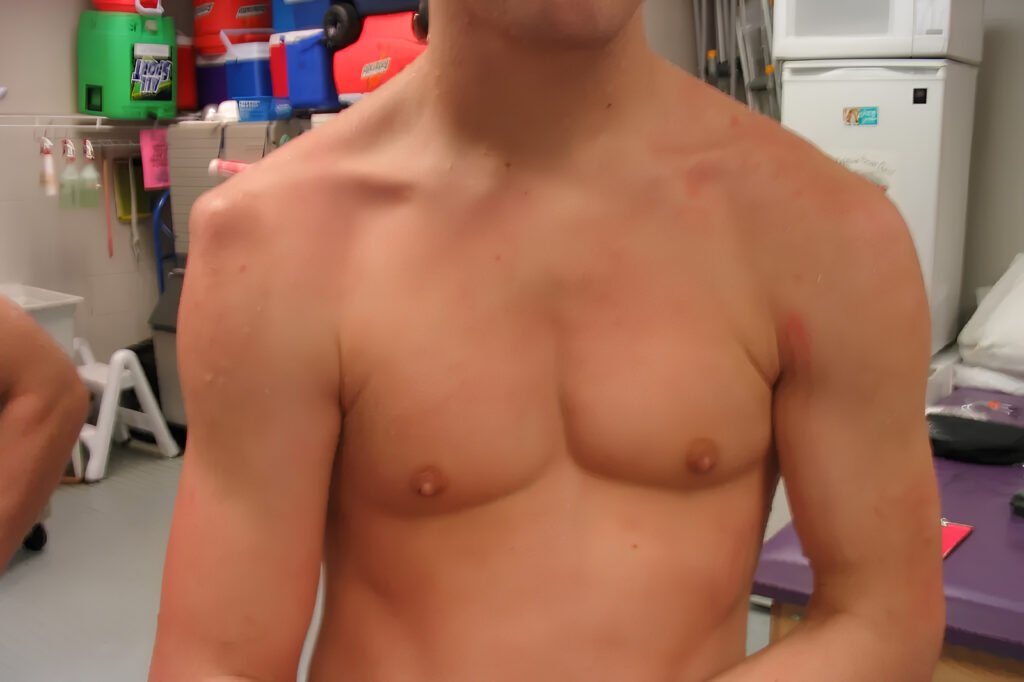

Shoulder Dislocation Treatment in Vadodara

Understanding Shoulder Dislocation and Joint Instability

A shoulder dislocation occurs when the upper arm bone moves out of its position in the shoulder socket. It can happen after a fall, a sports injury, a sudden impact, or an awkward arm movement. The injury often causes intense pain and difficulty moving the arm, and it may damage the ligaments, labrum, or other structures that help stabilise the joint.

Shoulder dislocation treatment in Vadodara depends on the severity of the injury, whether the dislocation has happened before, and whether there is associated damage to the bone or soft tissues. Dr. Shailin Shah assesses shoulder stability and the extent of injury to determine whether non-surgical management or a stabilisation procedure may be appropriate.

Expert Orthopedic Care by Dr. Shailin Shah

FELLOWSHIP IN ARTHROPLASTY (JOINT REPLACEMENT) AND ARTHROSCOPY (KEY HOLE SURGERY)
REVIEWED ON
4.9 RATINGS
REVIEWED ON
4.9 RATINGS

When a Dislocated Shoulder Needs Further Evaluation

A shoulder dislocation requires prompt medical attention. The joint should not be forced back into position at home, as this may worsen an injury to the surrounding nerves, blood vessels, bones, or soft tissues.

After the shoulder has been safely repositioned by a qualified medical professional, further assessment helps establish the extent of damage and the likelihood of future instability.

Severe Pain and Restricted Movement

Sudden pain, visible changes in shoulder shape, and an inability to move the arm may indicate an acute dislocation requiring urgent assessment.

Repeated Episodes of Dislocation

A shoulder that dislocates more than once may have damage to the labrum, ligaments, or bone, making the joint less stable during everyday activities or sports.

Persistent Instability After Injury

A feeling that the shoulder may slip out of place, ongoing weakness, or apprehension during certain movements may suggest damage to the structures supporting the joint.


How Shoulder Dislocation Is Treated

1

INJURY ASSESSMENT

Evaluating the injury, pain, movement, and circulation

2

JOINT REPOSITIONING

Performing a medically supervised reduction 

3

EVALUATION

Using appropriate imaging, such as X-rays, MRI or CT scans

4

RESTORATION

Planning rehabilitation or considering  stabilisation 

Choosing the Right Shoulder Dislocation Treatment

The most suitable treatment depends on whether this is a first-time dislocation or a recurring problem, along with the patient’s age, activity level, and associated injuries. Many first-time dislocations can be managed without surgery, while recurrent instability may require a different approach.

Non-Surgical Treatment

After the joint has been reduced, a sling may be used for a limited period to support the shoulder. Pain management, activity modification, and guided physiotherapy help restore movement and strengthen the muscles that support the joint.

Arthroscopic Shoulder Stabilisation

For selected patients with recurrent dislocations or damage to the labrum, keyhole surgery may be considered to repair the supporting tissues. The decision depends on the injury pattern and the likelihood of further instability.

Bone Stabilisation Procedures

When significant bone loss or a bony defect contributes to repeated dislocation, a procedure that addresses the bone may be recommended in selected cases. Detailed imaging helps determine whether this approach is necessary.

Dr. Shailin Shah
M.S.(ORTHO), DNB (ORTHO), FIJR, FIASM, MNAMS, DIPLOMA IN FIFA

Shoulder Stability Care with Dr. Shailin Shah

Dr. Shailin Shah provides orthopedic evaluation at Rutvij Hospital, Vadodara, for shoulder injuries that affect joint stability, movement, and everyday function. His fellowship training in arthroscopy is relevant to the assessment and surgical management of selected shoulder instability conditions.

During consultation, the assessment considers how the injury occurred, whether the shoulder has dislocated previously, and which movements trigger pain or a sense of instability. Clinical examination and imaging findings help identify possible damage to the labrum, ligaments, and surrounding bone.

Treatment recommendations are based on the nature of the injury and the patient’s functional goals. When surgery is being considered, the discussion includes the purpose of stabilisation, the expected rehabilitation process, potential risks, and the importance of protecting the shoulder during recovery.

Happy Patients

0 +
What to Expect During Recovery

Recovery After Shoulder Dislocation Treatment in Vadodara

Recovery after knee replacement surgery is a gradual process focused on restoring movement, improving muscle strength, and helping you return to everyday activities. Early mobilisation and guided physiotherapy help improve knee flexibility and walking ability while reducing the risk of postoperative complications. The pace of recovery varies depending on your general health, mobility before surgery, and response to rehabilitation.

In the initial weeks, the focus is on managing discomfort, walking safely, and performing prescribed exercises. As strength and stability improve, you can gradually resume routine activities under medical guidance. Regular follow-ups help monitor healing and progress, while continuing rehabilitation supports long-term joint function and mobility. Following your surgeon’s advice and maintaining realistic expectations are important throughout recovery.

Frequently Asked Questions

Yes. Many first-time shoulder dislocations can be managed with reduction, short-term support, and physiotherapy. Surgery may be considered when the joint remains unstable, dislocations recur, or associated damage makes non-surgical treatment less suitable.

Repeated dislocations may occur when the labrum, ligaments, or supporting bone has been damaged. The risk also depends on age at the first dislocation, activity level, and the extent of joint instability.

Keep the arm supported in the position that is most comfortable and seek urgent medical care. Do not attempt to force the joint back into place yourself. Seek emergency attention immediately if the hand becomes cold, pale, numb, or unusually weak.

Return to sports depends on pain, strength, movement, stability, and the type of sport. Activities involving contact, throwing, or overhead movement may require a longer recovery and clearance from the treating clinician.

Many patients regain good movement and function, but recovery depends on the injury and treatment. Associated fractures, soft-tissue damage, stiffness, and recurrent instability can influence the final outcome.

Yes. A dislocation can sometimes affect nerves around the shoulder, causing numbness, tingling, or weakness. These symptoms need prompt medical assessment, especially if they persist after the joint has been repositioned.

Looking for Shoulder Dislocation Treatment in Vadodara?

Consult Dr. Shailin Shah at Rutvij Hospital, Vadodara, to discuss shoulder instability, understand the extent of your injury, and explore suitable treatment options to help restore joint function and reduce the risk of recurrence.

Scroll to Top