
Meniscus Tear Treatment in Vadodara
Understanding Meniscus Tears and Knee Cartilage Damage
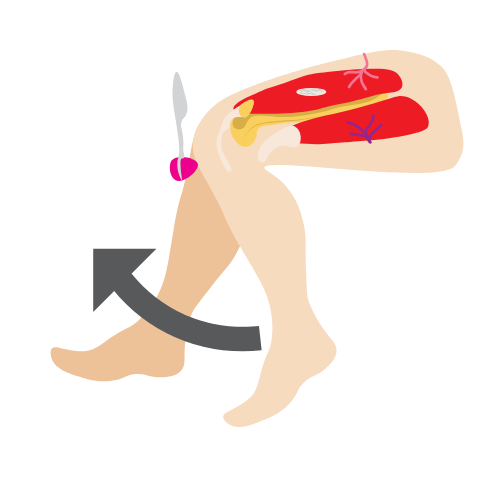
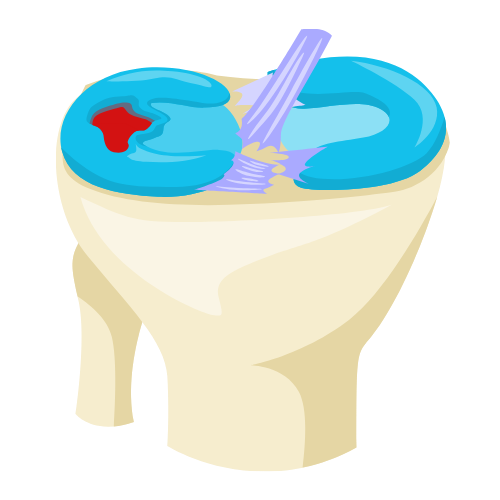
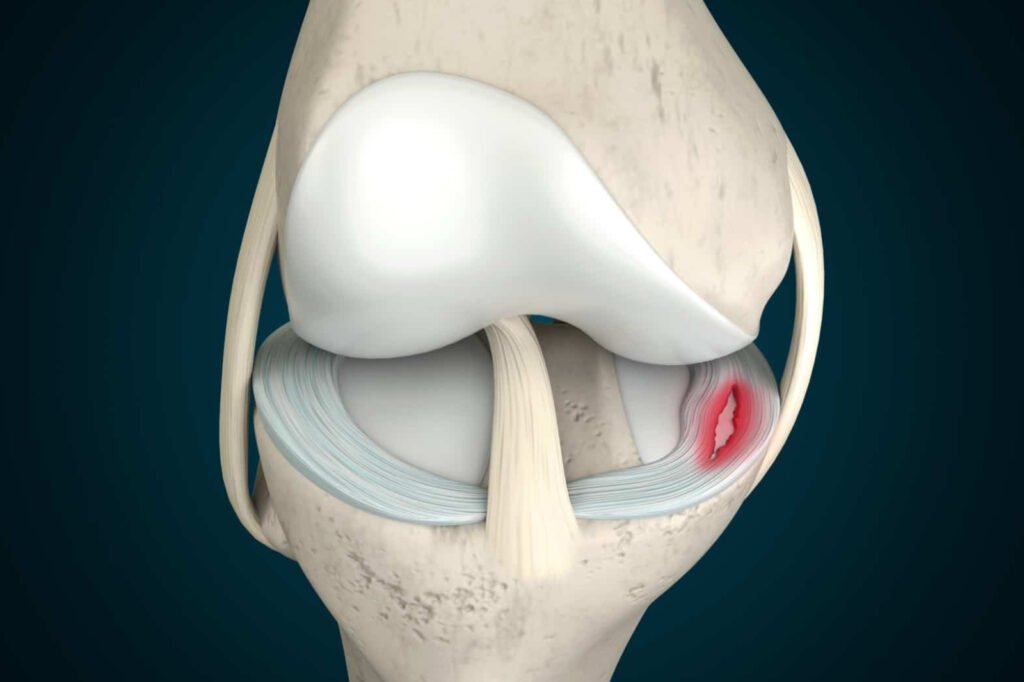
The meniscus is a pair of crescent-shaped pieces of cartilage in the knee that help absorb impact, distribute weight, and support joint stability. A sudden twist while playing sports, turning on a planted foot, or a gradual change in cartilage with age can cause a meniscus tear. Depending on the type and severity of the injury, symptoms may include knee pain, swelling, stiffness, or difficulty bending and straightening the leg.
Meniscus Tear Treatment in Vadodara depends on the location and pattern of the tear, its effect on knee movement, the patient’s activity level, and whether other structures are injured. Some tears improve with activity modification and rehabilitation, while others may require arthroscopic treatment. Dr. Shailin Shah provides orthopaedic evaluation for knee conditions and sports-related injuries, helping determine appropriate treatment based on clinical findings and functional needs.
Expert Orthopedic Care by Dr. Shailin Shah
When a Meniscus Tear Needs Further Assessment
Knee pain after a twisting injury, persistent swelling, or difficulty moving the joint may indicate a meniscus tear. Assessment is particularly important when symptoms continue, the knee catches during movement, or normal activities become difficult.
The need for surgery depends on more than the presence of a tear on an MRI. An orthopaedic assessment considers the tear’s location and pattern, associated injuries, knee movement, and the likelihood of healing without surgery.

Persistent Knee Pain
Pain along the knee joint continues during walking, squatting, or bending and interferes with regular activities.

Swelling & Stiffness
The knee becomes swollen or stiff after activity, making it uncomfortable to bend or straighten the leg fully.

Catching or Restricted Movement
The knee catches during movement or becomes difficult to straighten, particularly when a displaced tear interferes with normal joint motion.
Inside Meniscus Tear Treatment
1
TEAR ASSESSMENT
Evaluating knee movement, tenderness & imaging.
2
TEAR EVALUATION
Identifying the tear pattern, location, and healing potential.
3
ARTHROSCOPY
Repairing or trimming damaged cartilage when indicated.
4
FUNCTION REVIEW
Checking movement, comfort, and progress after treatment.
Which Meniscus Treatment Is Suitable for You?
Not every meniscus tear requires surgery. Treatment depends on the tear’s location, size, pattern, blood supply, and effect on knee function. Some tears can be managed with activity modification and physiotherapy, while others may benefit from arthroscopic surgery. When an operation is needed, preserving as much healthy meniscus tissue as possible is generally preferred because the meniscus helps protect the knee joint.

Meniscus Repair
Meniscus repair involves stitching suitable tears together to support healing and preserve the cartilage. It may be considered for selected tears with a reasonable healing potential, although recovery usually requires specific activity restrictions and rehabilitation.

Partial Meniscectomy
Partial meniscectomy involves removing the unstable or damaged portion of the meniscus while preserving as much healthy tissue as possible. It may be considered when a tear is unsuitable for repair and continues to cause significant symptoms.

Meniscus Tear Care with Dr. Shailin Shah
Dr. Shailin Shah is an orthopaedic surgeon practising at Rutvij Hospital, Vadodara. His clinical interests include sports-related injuries, arthroscopy, knee conditions, and joint replacement procedures.
Meniscus injuries can vary considerably, from stable tears that respond to rehabilitation to displaced tears that restrict knee movement. Assessing the injury alongside ligament stability, joint function, and activity requirements helps guide the choice of treatment.
For those seeking Meniscus Tear Treatment in Vadodara, a consultation with Dr. Shailin Shah can help clarify the nature of the injury, whether non-surgical care or arthroscopic treatment may be appropriate, and what recovery may involve.
Happy Patients
Recovery After Meniscus Tear Treatment in Vadodara
Recovery after meniscus tear treatment depends on the type of injury and whether surgery is required. Non-surgical treatment may involve activity modification, swelling management, and physiotherapy to restore knee movement and strength. After arthroscopic surgery, rehabilitation is planned according to the procedure performed and the condition of the repaired or treated tissue.
Following meniscus repair, weight-bearing and knee bending may be restricted for a period to allow the tissue to heal. Recovery after partial meniscectomy is often quicker, although individual progress varies. Returning to sports or strenuous activities should be guided by knee movement, strength, stability, and functional recovery rather than by time alone.
Frequently Asked Questions
Can a meniscus tear heal on its own?
Some meniscus tears, particularly small tears near the outer region with a better blood supply, may heal or become less symptomatic with appropriate management. Healing depends on the tear’s location, pattern, and severity.
Is walking safe with a meniscus tear?
Walking may be possible with a stable tear, depending on pain and swelling. Avoid activities that worsen symptoms, and seek assessment if the knee becomes locked, gives way, or cannot bear weight comfortably.
Does every meniscus tear require an MRI?
Not every case requires an MRI immediately. A clinical examination helps determine whether imaging is needed, particularly when symptoms persist, the diagnosis is uncertain, or surgery is being considered.
Is repair better than removing damaged portion?
When a tear is suitable for repair, preserving the meniscus is generally preferred because it helps distribute loads across the knee. However, repair is not possible for every tear, and treatment depends on the individual findings.
Can a meniscus tear lead to knee arthritis?
Meniscus damage can affect how forces are distributed across the knee joint and may increase the risk of osteoarthritis. The risk depends on the injury, associated damage, and the amount of meniscus tissue affected.
When can I return to sports after treatment?
The timeline depends on the treatment performed and how well the knee recovers. Return after meniscus repair generally takes longer than after partial meniscectomy and should follow clinical assessment and rehabilitation milestones.

Looking for Meniscus Tear Treatment?
Consult Dr. Shailin Shah at Rutvij Hospital, Vadodara, to discuss your knee injury, suitable treatment options, and the rehabilitation needed to restore knee movement and function.